
Constitutional Monarchy vs Parliamentary: Bahrain vs Tunisia
Bahrain runs as a constitutional monarchy; Tunisia as a parliamentary republic. Same word — country — built two different ways.
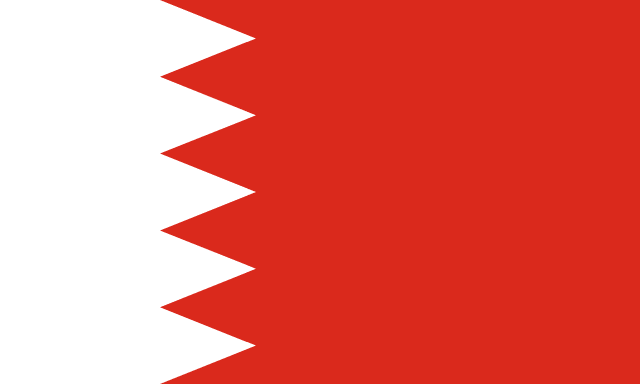
Bahrain
country in the Persian Gulf
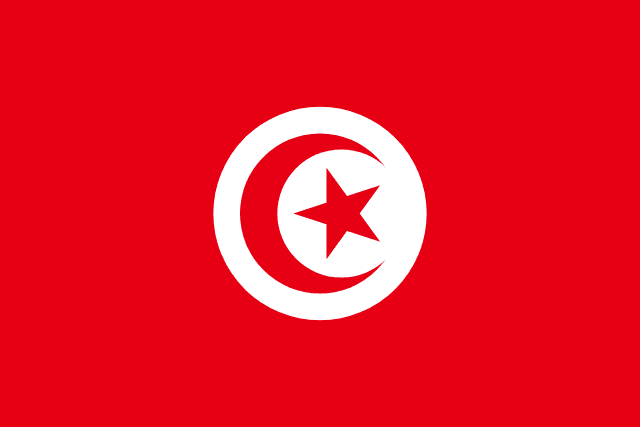
Tunisia
country in North Africa
Country Snapshot
This section pulls the most useful structured facts onto one screen: flags, capital cities, system type, current leaders, election links, and how many parties and institutions the graph already connects to each country.
🇧🇭 Bahrain
country in the Persian Gulf
Current Leaders
No current leader timeline is attached yet.
Election Route
No upcoming election is attached yet.
🇹🇳 Tunisia
country in North Africa
Current Leaders
No current leader timeline is attached yet.
Election Route
No upcoming election is attached yet.
How their governments are structured
Bahrain is a constitutional monarchy; Tunisia is a parliamentary republic. The second split is how the executive is chosen. Bahrain's executive does not fit cleanly into the standard parliamentary, presidential, or one-party templates. Tunisia runs a parliamentary system: the head of government (a prime minister or chancellor) holds office only as long as they keep the confidence of the lower house, and a successful no-confidence vote forces resignation or new elections. The practical effect is that Bahrain and Tunisia produce executives with different routes to power and different ways of losing it. Bahrain keeps a hereditary monarch as head of state — a largely ceremonial role distinct from the head of government — while Tunisia fuses or separates these roles within an elected office instead. The substantive difference is mostly symbolic and constitutional-emergency reserve powers, not day-to-day politics.
Scale, geography, and context
Bahrain's political capital is Manama, while Tunisia is governed from Tunis. With a population of approximately 1.6 million, Bahrain faces a different scale of governance challenge compared to Tunisia's 11.6 million. Population size shapes everything: the complexity of electoral systems, the number of administrative layers required, the diversity of constituencies that must be represented, and the sheer logistical challenge of running a democracy. Geographically, Bahrain sits in Asia while Tunisia is in Africa, placing them in different regional political contexts and international alliance structures.
The political landscape
Tunisia's field is wider: 54 tracked parties against 14 in Bahrain. More parties usually means coalitions get harder and majorities get scarce. Bahrain has 2 tracked political offices, while Tunisia has 2, indicating different levels of institutional complexity.
Institutional architecture
Bahrain has 1 major political institution tracked in our database, while Tunisia has 1. The institutional architecture of a country — its courts, legislatures, executive bodies, and regulatory agencies — determines how power is distributed, how conflicts are resolved, and how policy is implemented. More institutions often means more checks and balances, but also more veto points where reform can stall.
Where they actually split
Bahrain runs as a constitutional monarchy; Tunisia runs as a parliamentary republic. That single difference rewrites how everything else plays out. Scale matters: Bahrain has ~1.6 million people; Tunisia has ~11.6 million. That changes the politics of every issue. The party landscape differs significantly: Bahrain has 14 tracked parties, while Tunisia has 54, reflecting different levels of political pluralism.
Follow This Comparison Into The Graph
Related Entities
All comparisonsAl-Asalah
political party
Al-Meethaq
political grouping in Bahrain
Al-Menbar Islamic Society
political party
Al Wefaq
Bahraini political party
Ba'ath Party
former pan-Arab nationalist party
Economists Bloc
Political party in Bahrain.
25th of July Movement
political party in Tunisia
Page Feedback