Legislative power and representation
United States's national legislature is the United States Congress, which plays a central role in the country's governance. Legislative structure — the number of chambers, how representatives are chosen, and the powers granted to lawmakers — profoundly shapes the quality of democratic representation.
Scale, geography, and context
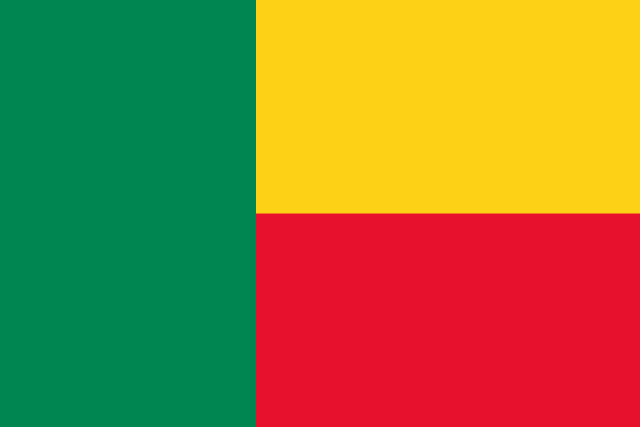
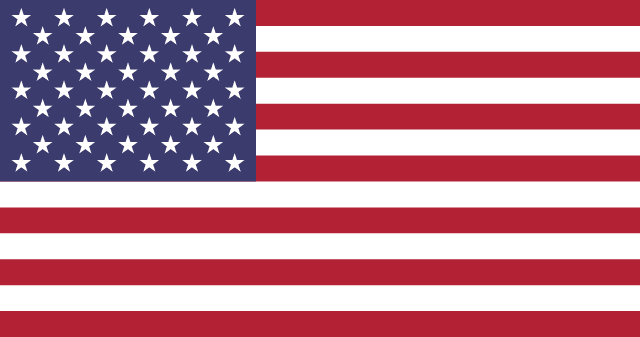
Benin's political capital is Porto-Novo, while United States is governed from Washington, D.C.. With a population of approximately 14.1 million, Benin faces a different scale of governance challenge compared to United States's 335 million. Population size shapes everything: the complexity of electoral systems, the number of administrative layers required, the diversity of constituencies that must be represented, and the sheer logistical challenge of running a democracy. Geographically, Benin sits in Africa while United States is in North America, placing them in different regional political contexts and international alliance structures.
The political landscape
United States has a more fragmented political landscape with 578 tracked parties, compared to 91 in Benin. A larger number of parties typically means coalition politics is more complex and governing majorities harder to assemble. Benin has 1 tracked political office, while United States has 5, indicating different levels of institutional complexity.
Key differences at a glance
Benin is governed as a republic, while United States operates as a federal presidential constitutional republic — a fundamental difference that shapes every aspect of political life. Scale matters: Benin has a population of approximately 14.1 million, compared to United States's 335 million, which affects everything from electoral logistics to policy complexity. The party landscape differs significantly: Benin has 91 tracked parties, while United States has 578, reflecting different levels of political pluralism.