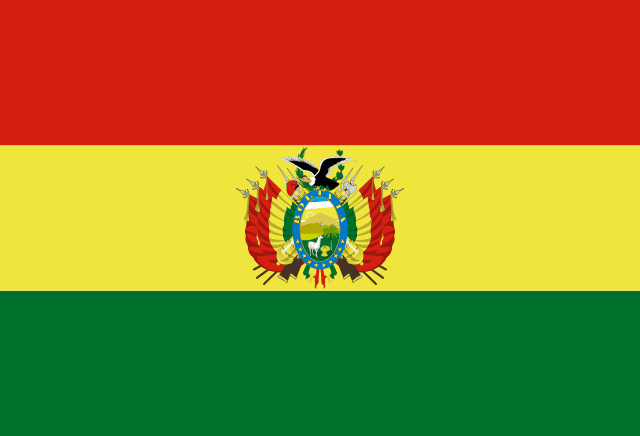
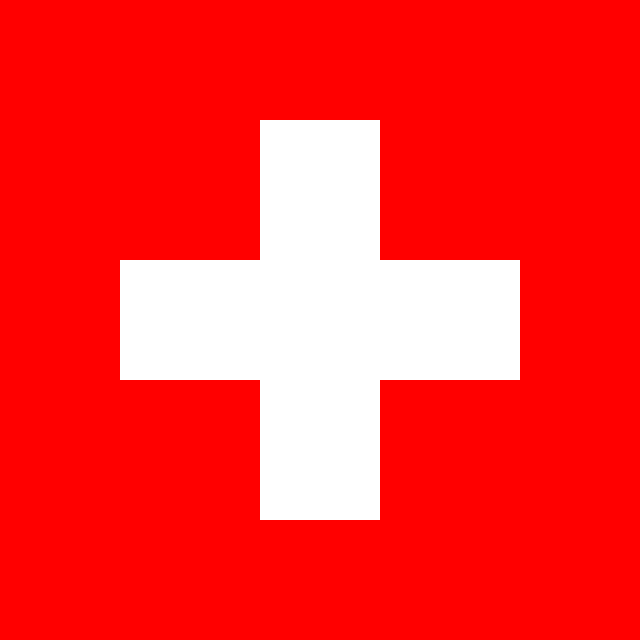
Scale, geography, and context
Bolivia's political capital is La Paz, while Switzerland is governed from Bern. With a population of approximately 12.2 million, Bolivia faces a different scale of governance challenge compared to Switzerland's 9.1 million. Population size shapes everything: the complexity of electoral systems, the number of administrative layers required, the diversity of constituencies that must be represented, and the sheer logistical challenge of running a democracy. Geographically, Bolivia sits in South America while Switzerland is in Europe, placing them in different regional political contexts and international alliance structures.
The political landscape
Bolivia has a more fragmented political landscape with 100 tracked parties, compared to 52 in Switzerland. A larger number of parties typically means coalition politics is more complex and governing majorities harder to assemble. The electoral record shows 2 tracked elections for Bolivia and 1 for Switzerland. Electoral frequency and type reveal how regularly citizens exercise direct democratic choice. Bolivia has 1 tracked political office, while Switzerland has 1, indicating different levels of institutional complexity.
Institutional architecture
Bolivia has 1 major political institution tracked in our database, while Switzerland has 1. The institutional architecture of a country — its courts, legislatures, executive bodies, and regulatory agencies — determines how power is distributed, how conflicts are resolved, and how policy is implemented. More institutions often means more checks and balances, but also more veto points where reform can stall.
Key differences at a glance
Bolivia is governed as a parliamentary republic, while Switzerland operates as a directorial system — a fundamental difference that shapes every aspect of political life. Scale matters: Bolivia has a population of approximately 12.2 million, compared to Switzerland's 9.1 million, which affects everything from electoral logistics to policy complexity. The party landscape differs significantly: Bolivia has 100 tracked parties, while Switzerland has 52, reflecting different levels of political pluralism.