
Cyprus vs Russia
How do Cyprus and Russia govern differently? One operates as a presidential system, the other as a federal semi-presidential republic. This comparison examines their political systems, institutions, and democratic structures.

Cyprus
country in the Mediterranean Sea
Russia
Federal semi-presidential republic spanning Eastern Europe and Northern Asia. The world's largest country by area and a major nuclear power. Power is heavily centralized in the presidency, with a managed multi-party system dominated by United Russia. Russia is a permanent member of the UN Security Council. The political system combines formal constitutional structures with strong executive dominance, limited opposition activity, and state influence over media and elections.
How their governments are structured
Cyprus operates as a presidential system, while Russia is organized as a federal semi-presidential republic. This fundamental constitutional difference shapes how leaders come to power, how laws are made, and how citizens hold their government accountable.
Legislative power and representation
Russia's national legislature is the Federal Assembly (State Duma and Federation Council), which plays a central role in the country's governance. Legislative structure — the number of chambers, how representatives are chosen, and the powers granted to lawmakers — profoundly shapes the quality of democratic representation.
Scale, geography, and context
Cyprus's political capital is Nicosia, while Russia is governed from Moscow. With a population of approximately 1.3 million, Cyprus faces a different scale of governance challenge compared to Russia's 144 million. Population size shapes everything: the complexity of electoral systems, the number of administrative layers required, the diversity of constituencies that must be represented, and the sheer logistical challenge of running a democracy. Geographically, Cyprus sits in Europe while Russia is in Europe/Asia, placing them in different regional political contexts and international alliance structures.
The political landscape
Russia has a more fragmented political landscape with 169 tracked parties, compared to 32 in Cyprus. A larger number of parties typically means coalition politics is more complex and governing majorities harder to assemble. The electoral record shows 1 tracked election for Cyprus and 4 for Russia. Electoral frequency and type reveal how regularly citizens exercise direct democratic choice. Cyprus has 1 tracked political office, while Russia has 3, indicating different levels of institutional complexity.
Institutional architecture
Cyprus has 1 major political institution tracked in our database, while Russia has 3. The institutional architecture of a country — its courts, legislatures, executive bodies, and regulatory agencies — determines how power is distributed, how conflicts are resolved, and how policy is implemented. More institutions often means more checks and balances, but also more veto points where reform can stall.
Key differences at a glance
Cyprus is governed as a presidential system, while Russia operates as a federal semi-presidential republic — a fundamental difference that shapes every aspect of political life. Scale matters: Cyprus has a population of approximately 1.3 million, compared to Russia's 144 million, which affects everything from electoral logistics to policy complexity. The party landscape differs significantly: Cyprus has 32 tracked parties, while Russia has 169, reflecting different levels of political pluralism.
Follow This Comparison Into The Graph
Related Entities
All comparisonsActive Citizens – Movement of Cypriot United Hunters
political party in Cyprus
Allagi Genias
political party in Cyprus
Animal Party Cyprus
political party
Citizens' Alliance
Cypriot political party
Committee for a Radical Left Rally
left-wing political party/organization in the Republic of Cyprus
Cyprus Social Ecology Movement
political party in Cyprus
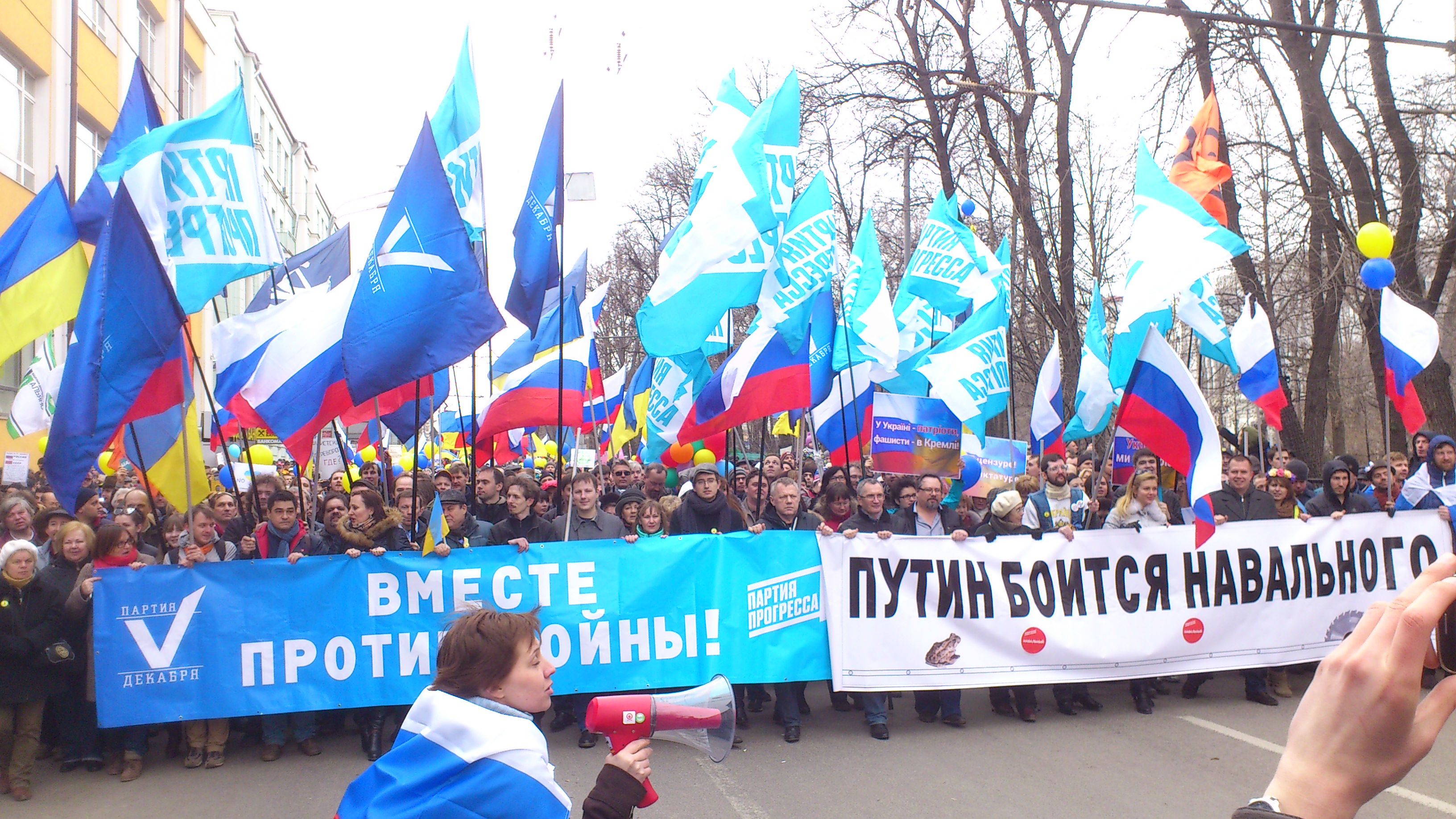
5th of December Party
political party in Russia