
Kenya vs Uganda: Political System and State Power Compared
A comparison between two East African states whose politics are shaped by presidential power, security concerns, party dominance, and very different patterns of electoral competition and institutional constraint.
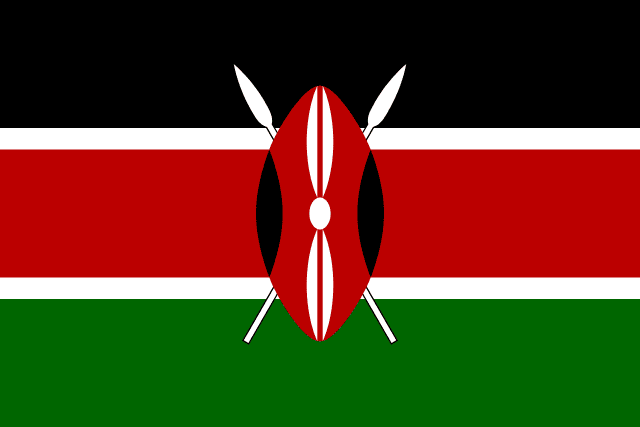
Kenya
country in Eastern Africa
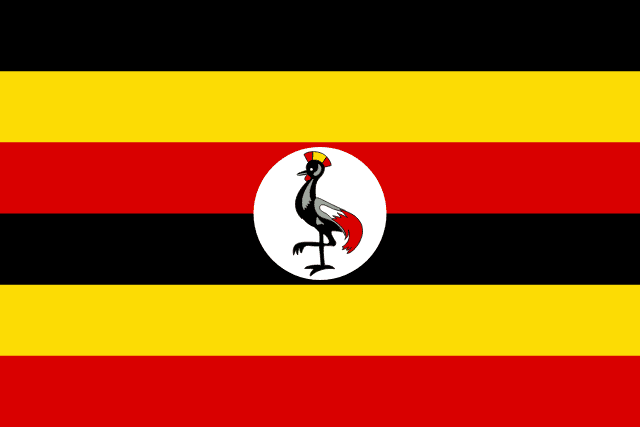
Uganda
country in East Africa
Country Snapshot
This section pulls the most useful structured facts onto one screen: flags, capital cities, system type, current leaders, election links, and how many parties and institutions the graph already connects to each country.
🇰🇪 Kenya
country in Eastern Africa
Current Leaders
No current leader timeline is attached yet.
Election Route
No upcoming election is attached yet.
🇺🇬 Uganda
country in East Africa
Presidential systems with different competitive environments
Kenya and Uganda are both presidential systems, but the competitive environment around the presidency differs sharply. Kenya has a more openly contested electoral arena with repeated elite rivalry and judicial involvement in election disputes, while Uganda's system is more heavily shaped by long-term incumbency, state control, and a narrower space for opposition success.
Institutions versus incumbency
In Kenya, courts, parliament, devolved county politics, and a competitive media environment create more visible checks on executive action, even when those checks are uneven. In Uganda, formal institutions still matter, but the presidency and security apparatus weigh more heavily in practice, and incumbency has had a stronger role in structuring the entire political field.
Party systems and elite coalitions
Kenyan party politics is often fluid, coalition-based, and closely tied to elite alliances that can reorganize between election cycles. Uganda's ruling structure has been more stable around the National Resistance Movement, creating a more durable dominant-party pattern even when opposition forces remain active and socially significant.
Why the comparison matters
Readers often compare Kenya and Uganda because they sit in the same region, but the deeper value is institutional. This page helps explain the difference between a competitive presidential system under stress and a more entrenched presidential order where incumbency has become central to how politics works.
Follow This Comparison Into The Graph
Related Entities
All comparisons
Page Feedback
