Gandhi vs Mandela: Two Icons of Nonviolent Resistance
Mahatma Gandhi and Nelson Mandela are the two most studied figures in the history of peaceful resistance to oppression. This comparison examines their methods, contexts, and legacies — essential reading for civil rights, history, and political science.
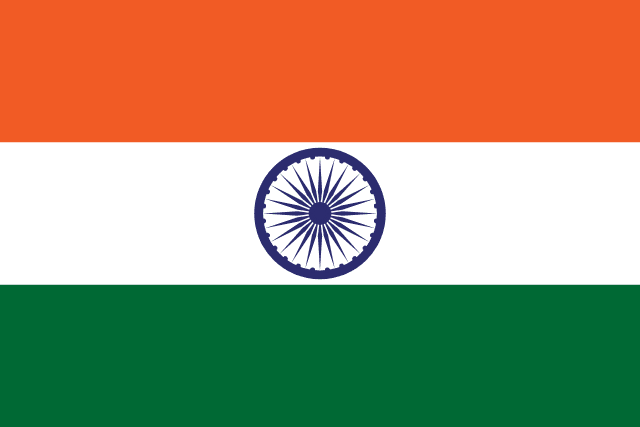
Mahatma Gandhi
Indian independence leader and political philosopher (1869–1948) who pioneered the use of nonviolent civil disobedience as a political weapon. His campaigns against British colonial rule in India inspired independence movements worldwide and continue to influence protest movements to this day.
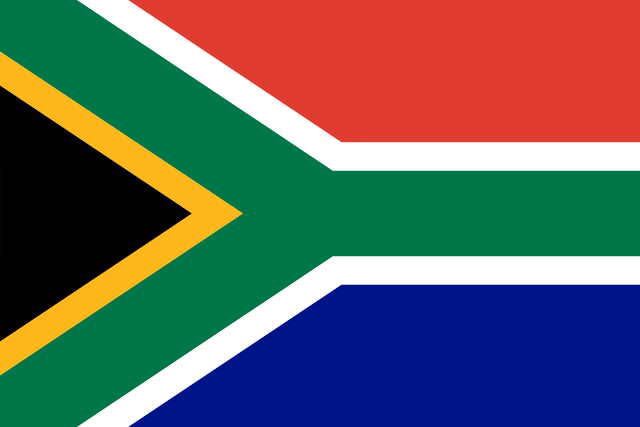
Nelson Mandela
South African anti-apartheid leader and statesman (1918–2013) who spent 27 years in prison before leading South Africa's transition to democracy and serving as its first democratically elected president from 1994 to 1999. His emphasis on reconciliation over revenge made him one of the 20th century's most admired political figures.
The nature of their struggles
Gandhi led the Indian independence movement against British colonial rule, developing the philosophy of Satyagraha — nonviolent civil disobedience as a mass political weapon. His campaigns included the Non-Cooperation Movement (1920–22), the Salt March (1930), and the Quit India Movement (1942). Mandela fought apartheid in South Africa — a system of institutionalized racial segregation and white minority rule. Mandela began his activism through nonviolent means before co-founding Umkhonto we Sizwe, the ANC's armed wing, in 1961 after the Sharpeville massacre demonstrated the limits of peaceful protest against a violent state.
Nonviolence — agreement and divergence
Gandhi's commitment to nonviolence was absolute and philosophical — violence corrupted the movement and the individual soul regardless of the opponent's behavior. Mandela's commitment to nonviolence was strategic and contingent: he adopted it when it was viable and abandoned it when the state's violence removed peaceful options. This distinction matters: Mandela always explained his turn to armed struggle as a reluctant response to state violence, not an abandonment of principle. Gandhi would not have accepted the same reasoning.
Imprisonment and sacrifice
Gandhi was imprisoned multiple times by British colonial authorities and used imprisonment as a deliberate political tool — hunger strikes, moral witness, generating sympathy. Mandela spent 27 years in prison — most of it on Robben Island — a period that became the central symbol of the anti-apartheid struggle. His release in February 1990 was one of the most watched moments in world television history. Both men's willingness to suffer personally gave their leadership a moral authority that purely organizational leaders rarely achieve.
Legacy and political transitions
Gandhi's independence was achieved in 1947 but was followed immediately by Partition — the violent division of India and Pakistan that killed up to two million people, a catastrophic outcome Gandhi could not prevent and which hastened his assassination in 1948. Mandela became South Africa's first democratically elected president in 1994 and chose national reconciliation over retribution — supporting the Truth and Reconciliation Commission and stepping down after one term. Mandela's transition is widely studied as a model of democratic consolidation; Gandhi's remains shadowed by Partition.
Follow This Comparison Into The Graph
Related Entities
All comparisonsMahatma Gandhi
Indian independence leader and political philosopher (1869–1948) who pioneered the use of nonviolent civil disobedience as a political weapon. His campaigns against British colonial rule in India inspired independence movements worldwide and continue to influence protest movements to this day.
Page Feedback
Quick signal only. No account needed.