We use essential storage to run PoliticaHub. Under EU and Swedish rules, analytics and advertising stay off unless you actively allow them. Analytics includes Google Analytics plus Microsoft Clarity session recordings and heatmaps. Advertising consent is also required before any personalized Google ads can load. Privacy Policy.
The Sunday briefing, from North
One email a week. Elections worth watching, sharpest pages of the week, the thing most people misread about a country you'd recognise. No hot takes, no churn.
One email a week. Unsubscribe anytime — I don't take it personally.
Mongolia vs China: Government & Political System Compared (2026) | PoliticaHub
Mongolia vs China: Government & Political System Compared
Mongolia is a parliamentary democracy landlocked between Russia and China. China is a one-party state under CCP control. They share a long border but have completely different political systems.
Mongolia is one of East Asia's few democracies, rated "Free." China is a single-party authoritarian state, rated "Not Free."
Mongolia is a semi-presidential republic with free, competitive elections — one of very few democracies in its region. China is governed as a single-party state by the Chinese Communist Party, with no competitive national elections. Mongolia transitioned from Soviet-style communism to democracy in 1990. Despite Mongolia's economic dependence on China (its largest trading partner for coal and minerals), they operate under fundamentally different political systems.
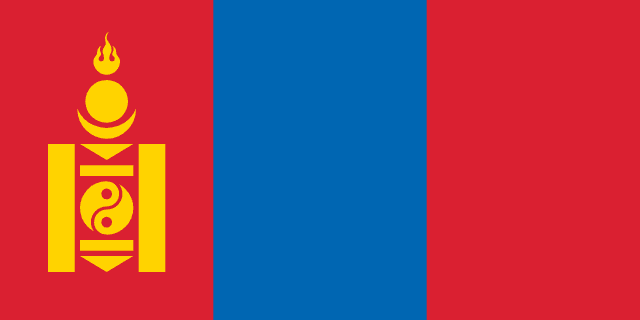
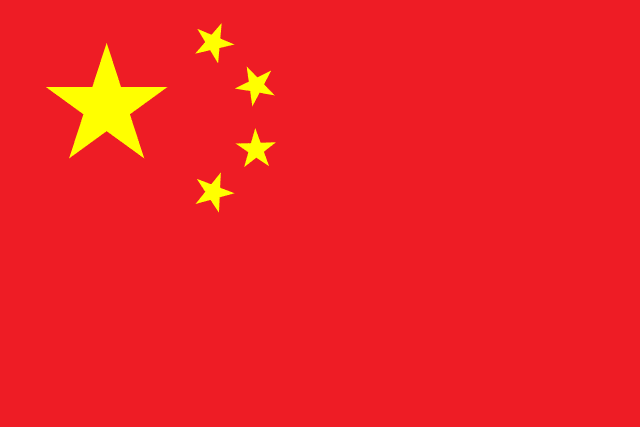
This section pulls the most useful structured facts onto one screen: flags, capital cities, system type, current leaders, election links, and how many parties and institutions the graph already connects to each country.
Capital: UlaanbaatarGovernment: parliamentary systemPopulation: 3.4 million
Current Leaders
No current leader timeline is attached yet.
Election Route
Upcoming
No upcoming election is attached yet.
Graph Coverage
13 linked parties
1 linked institutions
2 linked offices
1 tracked elections
🇨🇳 People's Republic of China
Single-party socialist state led by the Chinese Communist Party and one of the two central poles of global power. China combines party control, state planning capacity, export-industrial strength, technological ambition, and a vast domestic market, making its political decisions consequential for global trade, security, supply chains, and regional power balances.
Capital: BeijingGovernment: Unitary one-party socialist republicPopulation: 1.4 billionLegislature: National People's CongressExecutive: The Chinese Communist Party is the sole governing party. The General Secretary of the CCP is the paramount leader, simultaneously holding the state presidency and chairmanship of the Central Military Commission. The premier leads the State Council (cabinet). The National People's Congress is the formal legislature but in practice ratifies CCP decisions. Real power resides in the Politburo Standing Committee.
Single-party socialist state led by the Chinese Communist Party and one of the two central poles of global power. China combines party control, state planning capacity, export-industrial strength, technological ambition, and a vast domestic market, making its political decisions consequential for global trade, security, supply chains, and regional power balances.
Country
MN
CN
Continent
Asia
Asia
Capital
Ulaanbaatar
Beijing
Government
parliamentary system
Unitary one-party socialist republic
Population
3.4 million
1.4 billion
Legislature
System type
Mongolia is a semi-presidential republic with free, competitive elections. The President is the head of state; the Prime Minister is the head of government. Mongolia transitioned from Soviet-style single-party rule to multiparty democracy in 1990 and has held regular elections since. China is governed as a single-party state by the Chinese Communist Party (CCP). There are no competitive multiparty elections for national leadership. Xi Jinping holds the positions of General Secretary of the CCP, President, and Chairman of the Central Military Commission.
Geopolitical position
Mongolia is landlocked between Russia and China, giving it limited foreign policy options but a distinctive strategic importance. Mongolia pursues a "third neighbor" policy — cultivating strong ties with the United States, Japan, and South Korea to counterbalance its two giant neighbors. China is Mongolia's dominant trading partner by far, absorbing the vast majority of Mongolia's coal and mineral exports. This economic dependency shapes Mongolia's political relationship with Beijing despite their different systems.
Political rights and freedoms
Freedom House rates Mongolia as "Free" — one of only a small number of countries in East and Central Asia to hold that designation. Mongolia has a free press, competitive elections, and rule of law protections. China is rated "Not Free" — the CCP controls media, restricts political opposition, surveils citizens, and suppresses dissent in Xinjiang, Tibet, and Hong Kong. The contrast is stark for two neighboring states with a shared nomadic heritage.
Why the comparison matters
Mongolia is a rare example of a successful democratic transition in a post-communist, resource-dependent state on China's border. The comparison illustrates how geography, economic dependency, and external patronage can constrain — or support — different political outcomes.
Yes. Mongolia is rated "Free" by Freedom House — a rare designation in East and Central Asia. It has held competitive multiparty elections since 1990.
Is China a democracy?
No. China is a single-party state governed by the Chinese Communist Party. There are no competitive multiparty elections for national leadership.
What is Mongolia's relationship with China?
China is Mongolia's dominant trading partner, absorbing most of Mongolia's coal and mineral exports. Mongolia pursues a "third neighbor" policy to balance Chinese economic dominance with ties to the US, Japan, and South Korea.
What type of government does Mongolia have?
Mongolia is a semi-presidential republic — a directly elected president is head of state, while a prime minister elected by parliament is head of government.
The Chinese Communist Party is the sole governing party. The General Secretary of the CCP is the paramount leader, simultaneously holding the state presidency and chairmanship of the Central Military Commission. The premier leads the State Council (cabinet). The National People's Congress is the formal legislature but in practice ratifies CCP decisions. Real power resides in the Politburo Standing Committee.
Current leaders
—
President of the People's Republic of China: Xi Jinping (2013-03-14)