
Unitary vs Parliamentary: People's Republic of China vs Singapore
How do People's Republic of China and Singapore govern differently? One operates as a unitary one-party socialist republic, the other as a parliamentary republic. This comparison examines their political systems, institutions, and democratic structures.
People's Republic of China
Single-party socialist state led by the Chinese Communist Party and one of the two central poles of global power. China combines party control, state planning capacity, export-industrial strength, technological ambition, and a vast domestic market, making its political decisions consequential for global trade, security, supply chains, and regional power balances.
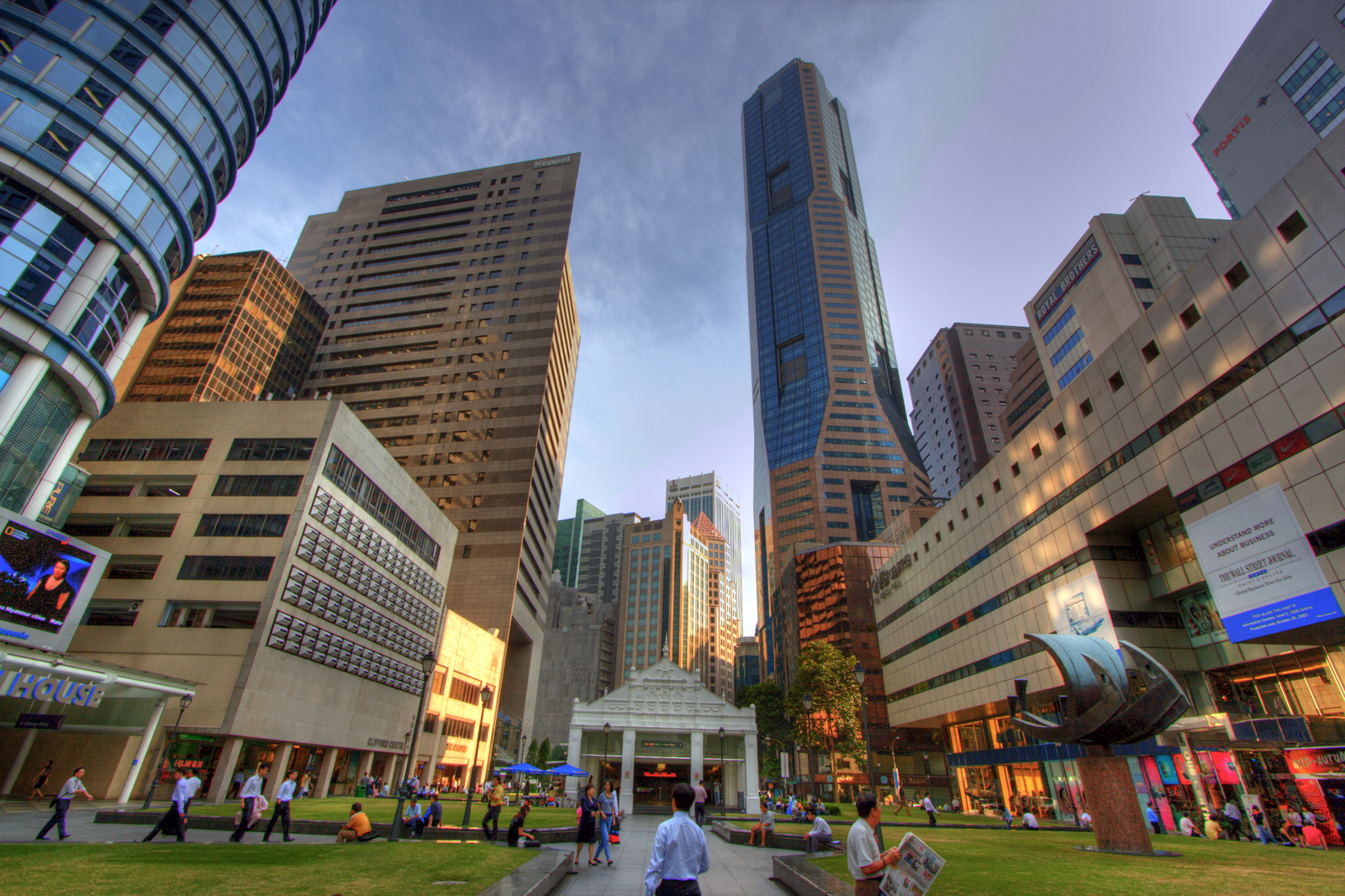
Singapore
sovereign island country and city-state in maritime Southeast Asia
How their governments are structured
People's Republic of China operates as a unitary one-party socialist republic, while Singapore is organized as a parliamentary republic. This fundamental constitutional difference shapes how leaders come to power, how laws are made, and how citizens hold their government accountable.
Legislative power and representation
People's Republic of China's national legislature is the National People's Congress, which plays a central role in the country's governance. Legislative structure — the number of chambers, how representatives are chosen, and the powers granted to lawmakers — profoundly shapes the quality of democratic representation.
Scale, geography, and context
People's Republic of China's political capital is Beijing, while Singapore is governed from Singapore. With a population of approximately 1.4 billion, People's Republic of China faces a different scale of governance challenge compared to Singapore's 5.9 million. Population size shapes everything: the complexity of electoral systems, the number of administrative layers required, the diversity of constituencies that must be represented, and the sheer logistical challenge of running a democracy.
The political landscape
People's Republic of China has a more fragmented political landscape with 73 tracked parties, compared to 33 in Singapore. A larger number of parties typically means coalition politics is more complex and governing majorities harder to assemble. The electoral record shows 3 tracked elections for People's Republic of China and 2 for Singapore. Electoral frequency and type reveal how regularly citizens exercise direct democratic choice. People's Republic of China has 5 tracked political offices, while Singapore has 2, indicating different levels of institutional complexity.
Institutional architecture
People's Republic of China has 2 major political institutions tracked in our database, while Singapore has 1. The institutional architecture of a country — its courts, legislatures, executive bodies, and regulatory agencies — determines how power is distributed, how conflicts are resolved, and how policy is implemented. More institutions often means more checks and balances, but also more veto points where reform can stall.
Key differences at a glance
People's Republic of China is governed as a unitary one-party socialist republic, while Singapore operates as a parliamentary republic — a fundamental difference that shapes every aspect of political life. Scale matters: People's Republic of China has a population of approximately 1.4 billion, compared to Singapore's 5.9 million, which affects everything from electoral logistics to policy complexity. The party landscape differs significantly: People's Republic of China has 73 tracked parties, while Singapore has 33, reflecting different levels of political pluralism.
Follow This Comparison Into The Graph
Related Entities
All comparisonsA4 Alliance
political alliance in Hong Kong
Alliance for Change
political party in Macau
Alliance of Resuming British Sovereignty over Hong Kong and Independence
political party in Hong Kong
Association for Democracy and Social Well-Being of Macau
political party in Macau
Association for Helping the Community and Engagement with the People
Political party in People's Republic of China.
Bauhinia Party
Hong Kong pro-Beijing conservative political party
Barisan Sosialis
Defunct Singaporean political party