
Russia vs China: Power, Trade, Military & Alliance Compared
How do Russia and People's Republic of China govern differently? One operates as a federal semi-presidential republic, the other as a unitary one-party socialist republic. This comparison examines their political systems, institutions, and democratic structures.
ByNorth
China is stronger in economic scale and long-run capacity; Russia matters because nuclear weapons, energy leverage, and risk tolerance still give it outsized weight.
Russia and China are often grouped together as authoritarian powers, but they are not equal partners. China is stronger in industrial scale, trade depth, civilian technology, and long-run strategic capacity. Russia still matters because nuclear parity, energy leverage, combat experience, and a higher willingness to impose risk allow it to punch above its shrinking economic base. The real question is less whether they look similar and more whether they actually want the same order.
Searchers usually come to Russia vs China for one of three reasons: who is stronger, are they really allies, and where the partnership is more fragile than it looks. This page is shaped around those exact questions.
Russia and China are compared constantly because they share anti-West positioning, but the interesting part is the imbalance: they are partners in posture, not equals in long-run capacity.
Drama
Strategic-partnership tensionThis pair generates attention because it mixes cooperation and suspicion. They align against U.S. dominance, but their interests do not perfectly match, especially in Central Asia, energy pricing, Arctic access, and long-run hierarchy inside the partnership.
Ideological Contrast
Shared authoritarian camp, different architectureBoth are authoritarian systems, but not in the same way. Russia is more personalist and improvisational around Putin; China is more bureaucratic, party-centered, and institutionally organized under CCP control.
Military Tension
Low direct tension, high military relevanceThey are not in an active military standoff with each other. The military dimension matters because Russia still brings nuclear parity and combat willingness, while China brings industrial depth and defense modernization at a scale Russia cannot match.
Trade War
China leverageThis is not a trade war but an asymmetric trade relationship. Russia increasingly sells energy, commodities, and sanction-circumvention value; China buys with the confidence of the stronger economy and more diversified industrial position.
AI Race
China edgeChina has much stronger civilian tech scale, compute ambition, and industrial depth. Russia still matters in cyber, defense engineering, and intelligence tradecraft, but it is not competing with China as a peer AI ecosystem.
Alliance Systems
Shared anti-West coordination, no true allianceThe phrase "no limits" created the image of an alliance, but the reality is looser. They coordinate diplomatically and economically, yet neither side offers the kind of automatic treaty commitment that would make the relationship equivalent to a formal bloc.
Media Narratives
West-focused framingThe media story often treats them as a single authoritarian axis. That framing captures part of the truth, but it can also hide how much more powerful China has become economically and how uneven the partnership now is.
Reality check. Calling Russia and China “allies” is often too clean. They are strategically aligned, but the relationship is driven by overlapping interests and asymmetry, not by deep trust or equal bargaining power.
Bottom line. China holds the economic, industrial, and long-run technological edge. Russia still matters because nuclear capacity, energy leverage, and a higher tolerance for military risk let it punch above its shrinking economic weight.
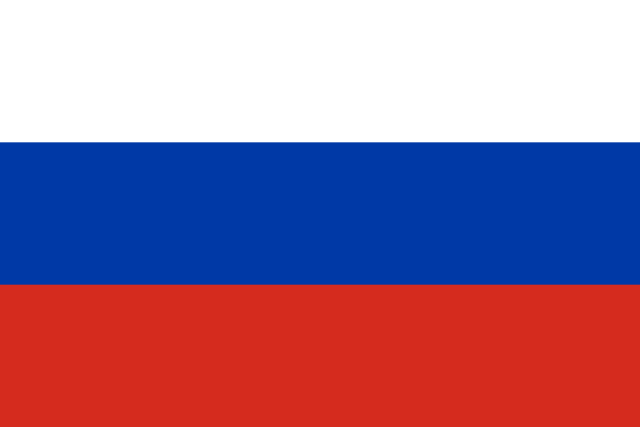
Russia
Federal semi-presidential republic spanning Eastern Europe and Northern Asia. The world's largest country by area and a major nuclear power. Power is heavily centralized in the presidency, with a managed multi-party system dominated by United Russia. Russia is a permanent member of the UN Security Council. The political system combines formal constitutional structures with strong executive dominance, limited opposition activity, and state influence over media and elections.
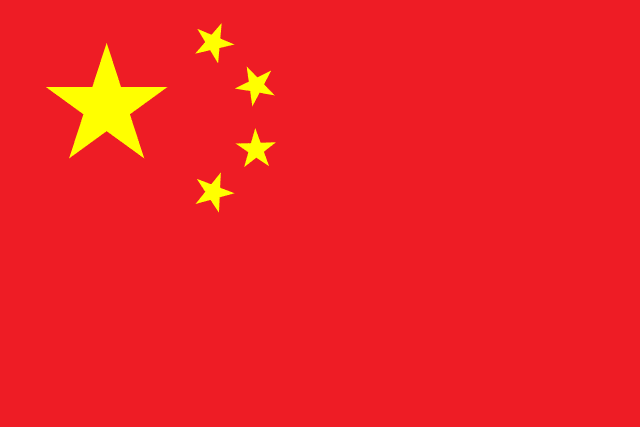
People's Republic of China
Single-party socialist state led by the Chinese Communist Party and one of the two central poles of global power. China combines party control, state planning capacity, export-industrial strength, technological ambition, and a vast domestic market, making its political decisions consequential for global trade, security, supply chains, and regional power balances.
Country Snapshot
This section pulls the most useful structured facts onto one screen: flags, capital cities, system type, current leaders, election links, and how many parties and institutions the graph already connects to each country.
🇷🇺 Russia
Federal semi-presidential republic spanning Eastern Europe and Northern Asia. The world's largest country by area and a major nuclear power. Power is heavily centralized in the presidency, with a managed multi-party system dominated by United Russia. Russia is a permanent member of the UN Security Council. The political system combines formal constitutional structures with strong executive dominance, limited opposition activity, and state influence over media and elections.
Current Leaders
Election Route
🇨🇳 People's Republic of China
Single-party socialist state led by the Chinese Communist Party and one of the two central poles of global power. China combines party control, state planning capacity, export-industrial strength, technological ambition, and a vast domestic market, making its political decisions consequential for global trade, security, supply chains, and regional power balances.
Current Leaders
Election Route
How their governments are structured
Russia is a federal semi-presidential republic; People's Republic of China is a unitary one-party socialist republic. The first practical split is federalism: Russia is a federation, so legislative power is shared with constituent states or Länder, and a single national majority can be blocked by sub-national institutions and courts. People's Republic of China is unitary — the central government can change policy nationwide without negotiating with state-level legislatures. The second split is how the executive is chosen. Russia runs a semi-presidential system: an elected president shares executive authority with a prime minister who depends on parliamentary confidence — meaning periods of cohabitation between rival parties are possible when president and parliament come from different camps. People's Republic of China runs a one-party system: a single ruling party controls the executive, legislature, and most state institutions, and competitive national elections for top leadership do not occur. The practical effect is that Russia and People's Republic of China produce executives with different routes to power and different ways of losing it. How the executive actually works: in Russia, formally semi-presidential with a directly elected president and a prime minister appointed with Duma approval. In practice, power is heavily concentrated in the presidency. The 2020 constitutional amendments extended presidential term possibilities and strengthened executive dominance. The State Duma is controlled by United Russia, and opposition activity is severely constrained. In People's Republic of China, the Chinese Communist Party is the sole governing party. The General Secretary of the CCP is the paramount leader, simultaneously holding the state presidency and chairmanship of the Central Military Commission. The premier leads the State Council (cabinet). The National People's Congress is the formal legislature but in practice ratifies CCP decisions. Real power resides in the Politburo Standing Committee.
Legislative power and representation
Russia's national legislature is the Federal Assembly (State Duma and Federation Council); People's Republic of China's is the National People's Congress. Russia's parliament is bicameral — bills generally have to clear two chambers, which slows legislation but adds a check, especially when the upper chamber represents states or regions rather than population. People's Republic of China concentrates legislative power in a single chamber, so a working majority there can move policy faster but with fewer veto points.
Constitutional foundations
The age and origin of a country's constitution reveals much about its political DNA. Russia's current constitutional order dates to 1993 (amended 2020), while People's Republic of China's was established in 1982 (current, amended 2018). Despite the similar timeframe, the political circumstances that produced each constitution — revolution, independence, democratic transition, or post-war reconstruction — shape their character profoundly.
Scale, geography, and context
Russia's political capital is Moscow, while People's Republic of China is governed from Beijing. With a population of approximately 144 million, Russia faces a different scale of governance challenge compared to People's Republic of China's 1.4 billion. Population size shapes everything: the complexity of electoral systems, the number of administrative layers required, the diversity of constituencies that must be represented, and the sheer logistical challenge of running a democracy. Geographically, Russia sits in Europe/Asia while People's Republic of China is in Asia, placing them in different regional political contexts and international alliance structures.
The political landscape
Russia has a more fragmented political landscape with 169 tracked parties, compared to 73 in People's Republic of China. A larger number of parties typically means coalition politics is more complex and governing majorities harder to assemble. The electoral record shows 4 tracked elections for Russia and 3 for People's Republic of China. Electoral frequency and type reveal how regularly citizens exercise direct democratic choice. Russia has 3 tracked political offices, while People's Republic of China has 5, indicating different levels of institutional complexity.
Institutional architecture
Russia has 3 major political institutions tracked in our database, while People's Republic of China has 2. The institutional architecture of a country — its courts, legislatures, executive bodies, and regulatory agencies — determines how power is distributed, how conflicts are resolved, and how policy is implemented. More institutions often means more checks and balances, but also more veto points where reform can stall.
Key differences at a glance
Russia is governed as a federal semi-presidential republic, while People's Republic of China operates as a unitary one-party socialist republic — a fundamental difference that shapes every aspect of political life. Executive power is structured differently: Russia uses formally semi-presidential with a directly elected president and a prime minister appointed with duma approval. in practice, power is heavily concentrated in the presidency. the 2020 constitutional amendments extended presidential term possibilities and strengthened executive dominance. the state duma is controlled by united russia, and opposition activity is severely constrained., whereas People's Republic of China relies on the chinese communist party is the sole governing party. the general secretary of the ccp is the paramount leader, simultaneously holding the state presidency and chairmanship of the central military commission. the premier leads the state council (cabinet). the national people's congress is the formal legislature but in practice ratifies ccp decisions. real power resides in the politburo standing committee.. Scale matters: Russia has a population of approximately 144 million, compared to People's Republic of China's 1.4 billion, which affects everything from electoral logistics to policy complexity. The party landscape differs significantly: Russia has 169 tracked parties, while People's Republic of China has 73, reflecting different levels of political pluralism.
Follow This Comparison Into The Graph
Frequently Asked Questions
- Who is stronger overall: Russia or China?
- China is stronger in economy, manufacturing, civilian technology, and long-run power accumulation. Russia retains disproportionate leverage through nuclear forces, energy exports, and a greater willingness to use military risk for political effect.
- Are Russia and China really allies?
- They are strategically aligned, but they are not a treaty alliance in the NATO sense. The relationship works because both oppose U.S. dominance, not because they trust each other completely or share identical long-term interests.
- How do Russia and China differ politically?
- Both are authoritarian, but Russia is more personalist and centered on Putin. China is more institutionalized under CCP rule, with stronger bureaucratic coordination and a deeper party-state structure.
- Is Russia or China more important in the global economy?
- China by far. Russia matters in energy, commodities, sanctions evasion, and military disruption, but China has vastly greater weight in trade, industrial production, and global supply chains.
Related Entities
All comparisons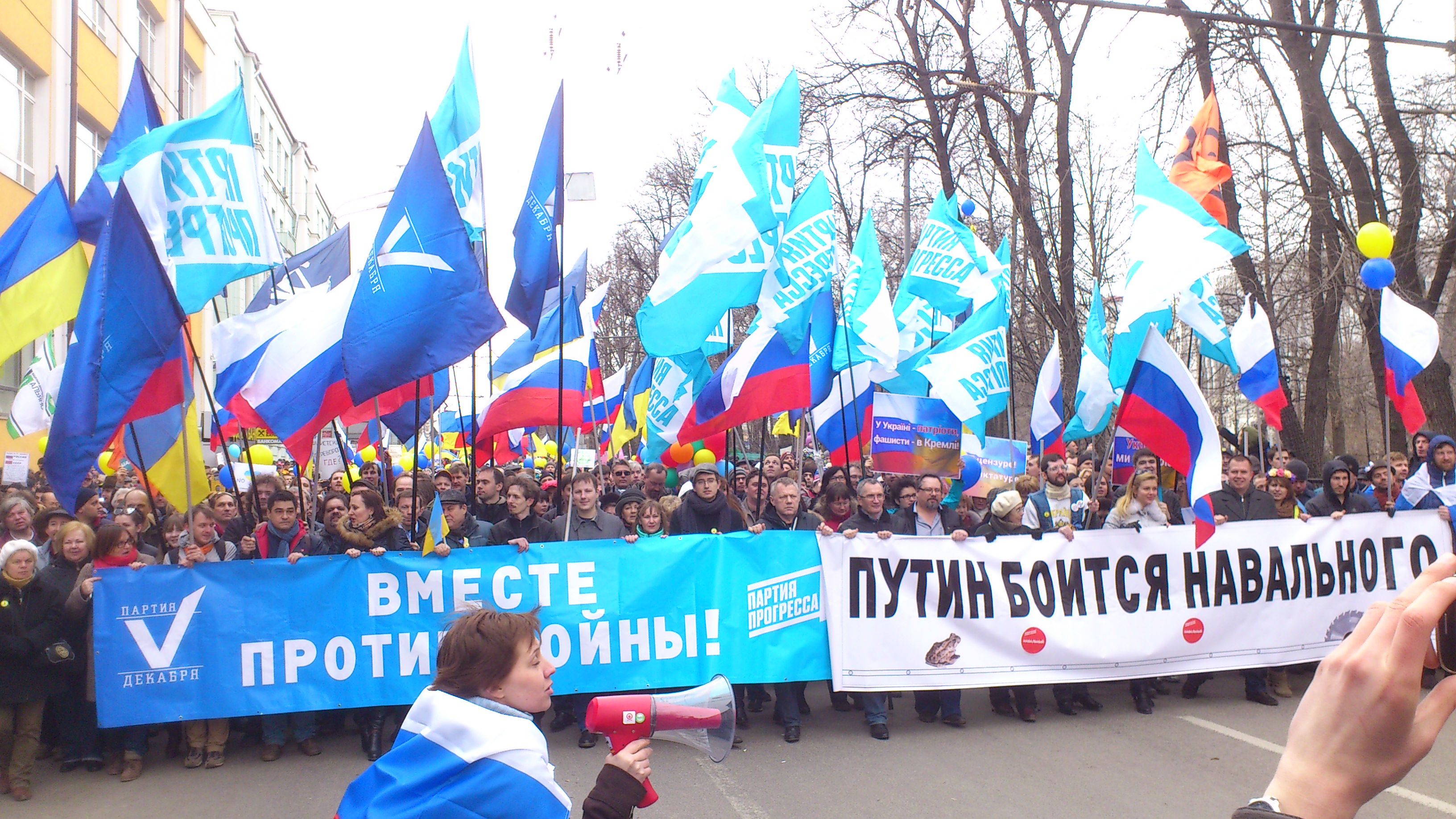
5th of December Party
political party in Russia
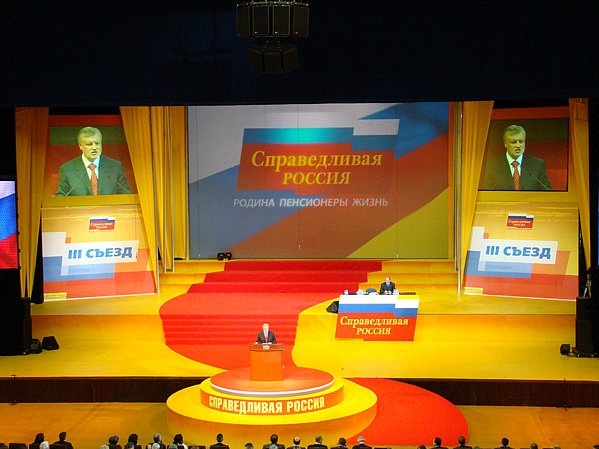
A Just Russia
Centre-left party in Russia created in 2006 to absorb left-leaning voters. Functions as a systemic opposition party within the managed political landscape.
Adat People's Movement
political movement in Chechnya

Agrarian Party of Russia
political party in Russia
Agrarian Socialist League
Political party in Russia.
All-Russian Sociopolitical Movement of Women of Russia
Russian feminist political group
A4 Alliance
political alliance in Hong Kong
Page Feedback