- What type of government does Colombia have?
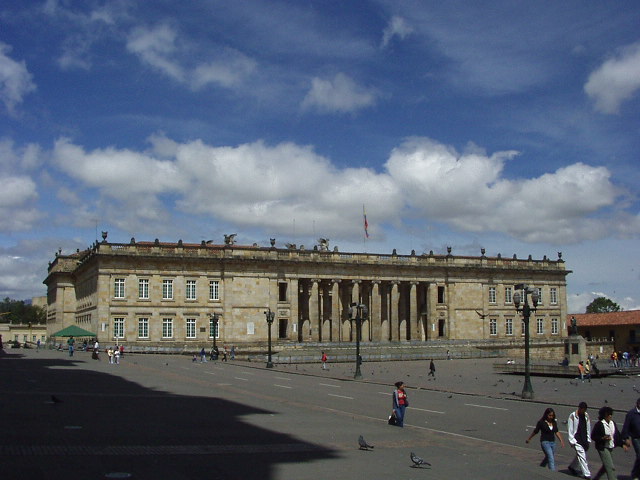
- Colombia is a unitary presidential constitutional republic. The president is directly elected for a four-year term and cannot be re-elected immediately. The bicameral Congress (Senate and House of Representatives) has significant legislative powers, and the Constitutional Court is an active check on executive authority.
- Who is the current president of Colombia?
- Gustavo Petro has been President of Colombia since August 2022. He is a former congressman, former mayor of Bogotá, and was a member of the M-19 guerrilla movement in his youth. His election marked a significant shift from Colombia's traditionally centre-right political alignment.
- What is the FARC peace deal?
- The 2016 peace agreement between the Colombian government and the FARC guerrilla group ended over 50 years of armed conflict. The FARC demobilised and formed a political party (now Comunes). However, FARC dissident factions rejected the deal and continue armed activity, while the ELN guerrilla group remains active.
- How does drug trafficking affect Colombian politics?
- Drug trafficking has profoundly shaped Colombian politics — from the era of Pablo Escobar and the Medellín Cartel in the 1980s–90s to current criminal organisations like the Clan del Golfo. Narco money influences elections, local governance, and security policy. Petro's "total peace" policy seeks negotiated solutions with armed groups.
- What are the main political parties in Colombia?
- Colombia has a fragmented multi-party system. Major parties include Petro's Pacto Histórico coalition (left), the Liberal Party and Conservative Party (traditional centrist parties), Centro Democrático (right, Uribe's party), and Cambio Radical. Alliances and coalitions shift frequently.
- What are the main political offices in Colombia?
- Key political offices in Colombia include President of Colombia. These offices shape how executive, legislative, and judicial authority is exercised in the country.