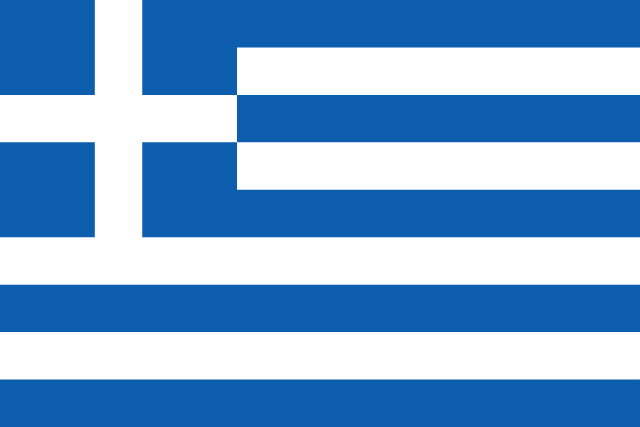
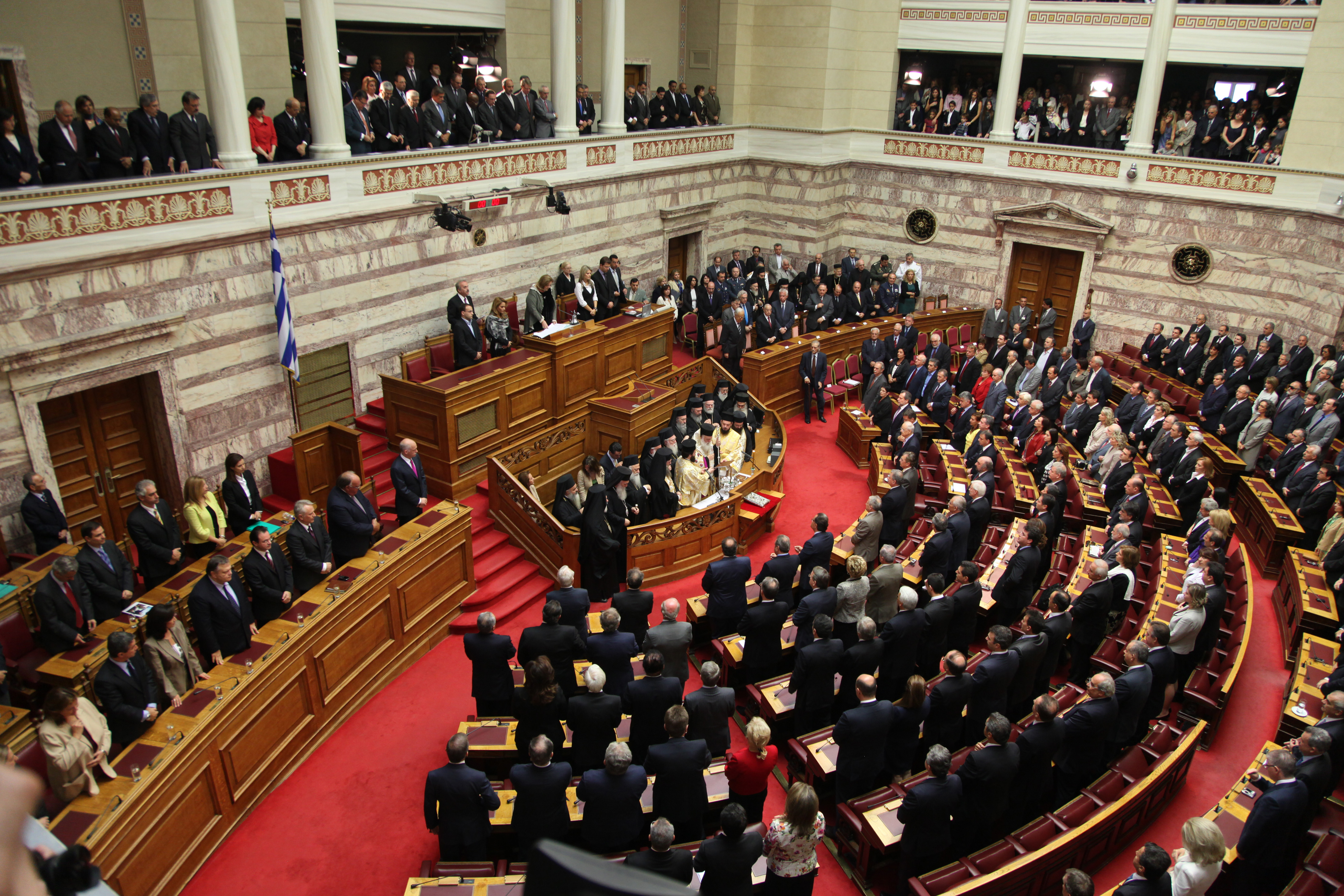
- What type of government does Greece have?
- Greece is a parliamentary republic. This system defines how executive, legislative, and judicial power is organized and exercised in the country. In a parliamentary system, the prime minister leads the government based on a legislative majority, while the head of state often holds a more ceremonial role.
- What are the main political offices in Greece?
- Key political offices in Greece include President of Greece, Prime Minister of Greece. These offices shape how executive, legislative, and judicial authority is exercised in the country.
- What is the capital of Greece?
- The capital of Greece is Athens. As the seat of government, the capital is where the country's major political institutions and decision-making bodies are headquartered.
- What are the major political parties in Greece?
- Greece has 218 notable political parties, including 4th of August Party, Agreement for the New Greece, Agricultural and Labour Party, Agricultural Democratic Party, Agricultural Livestock Party of Greece. Party competition is central to how political power is distributed — electoral outcomes and coalition dynamics directly determine who governs and what policies are implemented.
- When is the next election in Greece?
- Greece has held 3 notable elections, including Greece 2015 Parliamentary Election, Greece 2019 Parliamentary Election, Greece 2023 Parliamentary Election.
- What is the population of Greece?
- Greece has a population of approximately 10.5 million. Population size affects the country's representation in international bodies, electoral district sizing, and the scale of its political institutions.