
Quick Facts
- Population: approximately 124 million
- Tokyo is the capital of this unitary parliamentary constitutional monarchy
- The national legislature is the National Diet (House of Representatives and House of Councillors)
- 2 elections tracked in the database
- 59 political parties recorded
System Snapshot
The fastest way to understand how authority is arranged before you dive into timelines and entities.
- Government Type
- Unitary parliamentary constitutional monarchy
- Executive Structure
- Prime minister designated by the Diet and formally appointed by the Emperor. The House of Representatives has primacy in PM selection and can override the House of Councillors after deadlock.
- Legislature
- National Diet (House of Representatives and House of Councillors)
Dig Deeper
Go beyond the overview and trace how power actually moves through Japan.
Current leadership
See who currently holds executive power and which offices matter.
Election history
Trace the election sequence that shapes power in Japan.
Party competition
Browse 59 connected parties and follow their role in the system.
Institutions and offices
Explore the 4 institutions and offices where authority is formally exercised.
Power Profile
Power shared between monarch and elected government
Citizens elect parliament; monarch retains key prerogatives
Split between hereditary and elected institutions
Derived from system type and role classification
Position in System
Japan operates as a constitutional monarchy where a hereditary head of state shares governance with elected institutions. Political power flows through both the monarchy and parliamentary structures, with the balance between them defining the country's political character.
At a Glance
Governed from Tokyo, Japan is a unitary parliamentary constitutional monarchy in Asia. With a population of approximately 124 million, it occupies a distinct place in the region's political landscape.
As a constitutional monarchy, Japan combines hereditary leadership with elected government. The monarch remains head of state, but day-to-day governing usually sits with parliament and the prime minister, with the real balance depending on the constitution and political practice.
The national legislature is the National Diet (House of Representatives and House of Councillors). The country's political landscape includes 2 elections, 59 political parties, and 2 offices.
Verdict: Japan is a constitutional monarchy where the emperor is a ceremonial figurehead and the prime minister holds executive power through the Diet.
Japan is a constitutional monarchy with a parliamentary system. The emperor is the ceremonial head of state, while the prime minister is the head of government and is elected by the National Diet (parliament). The Liberal Democratic Party (LDP) has governed Japan for most of the post-war era. Shigeru Ishiba became prime minister in 2024.
This page covers Japan's parliamentary system, the dominance of the LDP, the role of the emperor, and recent political developments.
Power Snapshot
Japan is rapidly expanding defense spending, targeting 2% of GDP by 2027 in response to growing regional threats.
Japan
- Military Strength
- High
- Defense Budget
- ~$55 billion
- Active Personnel
- ~247,000
- Global Influence
- High
Key insight: Japan has shifted from pacifist defense policy to a more assertive posture, doubling its defense budget target to 2% of GDP by 2027.
Defense spending uses SIPRI-backed 2024 estimates; personnel uses IISS-backed counts.
Keep Exploring
Political Parties
Explore
Government
Current leadership, institutions, and offices
Political System
How the state, legislature, and elections fit together
Prime Ministers
PM succession history
All Elections
2 elections tracked
Parties
59 parties tracked
Offices
2 offices tracked
Institutions
2 institutions
Politicians
All connected politicians
Executive Structure
Prime minister designated by the Diet and formally appointed by the Emperor. The House of Representatives has primacy in PM selection and can override the House of Councillors after deadlock.
Current constitutional order since 1947
Related Scenarios
Frequently Asked Questions
- What type of government does Japan have?
- Japan is a constitutional monarchy with a parliamentary system. The emperor has no political power; executive authority rests with the prime minister and cabinet, who are accountable to the Diet.
- Who is the current prime minister of Japan?
- Shigeru Ishiba became Prime Minister of Japan in October 2024 after winning the LDP leadership election following Fumio Kishida's resignation.
- What are the main political parties in Japan?
- The Liberal Democratic Party (LDP) is the dominant party, typically governing in coalition with Komeito. The main opposition includes the Constitutional Democratic Party (CDP) and the Japan Innovation Party.
- How does the Japanese Diet work?
- The National Diet is Japan's bicameral parliament, consisting of the House of Representatives (lower house, 465 seats) and the House of Councillors (upper house, 248 seats). The prime minister is elected by the Diet.
- Why has the LDP dominated Japanese politics?
- The LDP has governed Japan for all but a few years since 1955 due to strong ties with business, bureaucracy, and rural constituencies, as well as factional flexibility within the party.
- Is Japan a democracy or a monarchy?
- Japan is a constitutional monarchy, which means it combines monarchical and democratic elements. While the monarch serves as head of state, elected representatives participate in governance through a parliament or similar legislative body.
Recommended Reading
Japan: The System That Soured
Richard Katz
How Japan's political-economic model drove its rise — and then its stagnation.
View on AmazonThe Shortest History of Germany
James Hawes
A fast, vivid survey of Germany's political story from Caesar to Merkel.
View on AmazonThe Big Shift
John Ibbitson & Darrell Bricker
How immigration and urbanization are remaking Canadian politics.
View on AmazonThe English Constitution
Walter Bagehot
The classic account of how Britain's unwritten constitution actually works.
View on AmazonAs an Amazon Associate, PoliticaHub earns from qualifying purchases.
Connections
Parties
Aikoku Kōtō
political party
Ainu Party
political party in Japan
Amami Communist Party
former political party that sought the reunification of the Amami Islands with Japan
Assembly to Energize Japan
Japanese political party

Association for Realizing Free Education
political party in Japan

Centrist Reform Alliance
Japanese political party

Conservative Party of Japan
political party in Japan
Constitutional Democratic Party
Japan's main centre-left opposition party, formed in 2017 from the liberal wing of the Democratic Party.
Constitutional Democratic Party of Japan
Japanese centre-left political party founded in 2020
Dai-Niin Club
Japanese political party
Daidō Club
political party in Japan
Dainiin Club
political party

Democratic Party For the People
Japanese political party
From Five
Japanese political party

Genzei Nippon
Japanese regional political party
Great Japan Patriotic Party
political party

Happiness Realization Party
political party
Ishin Seito Shimpu
political party in Japan
Japan Cooperative Party
political party
Japan First Party
Japanese political party
Japan Innovation Party
political party in Japan
Japan Labour-Farmer Party
political party in Japan
Japan Nation Party
political party in Japan
Japan Revolutionary Communist League
political party in Japan
Japanese Communist Party (Action Faction)
political party in Japan
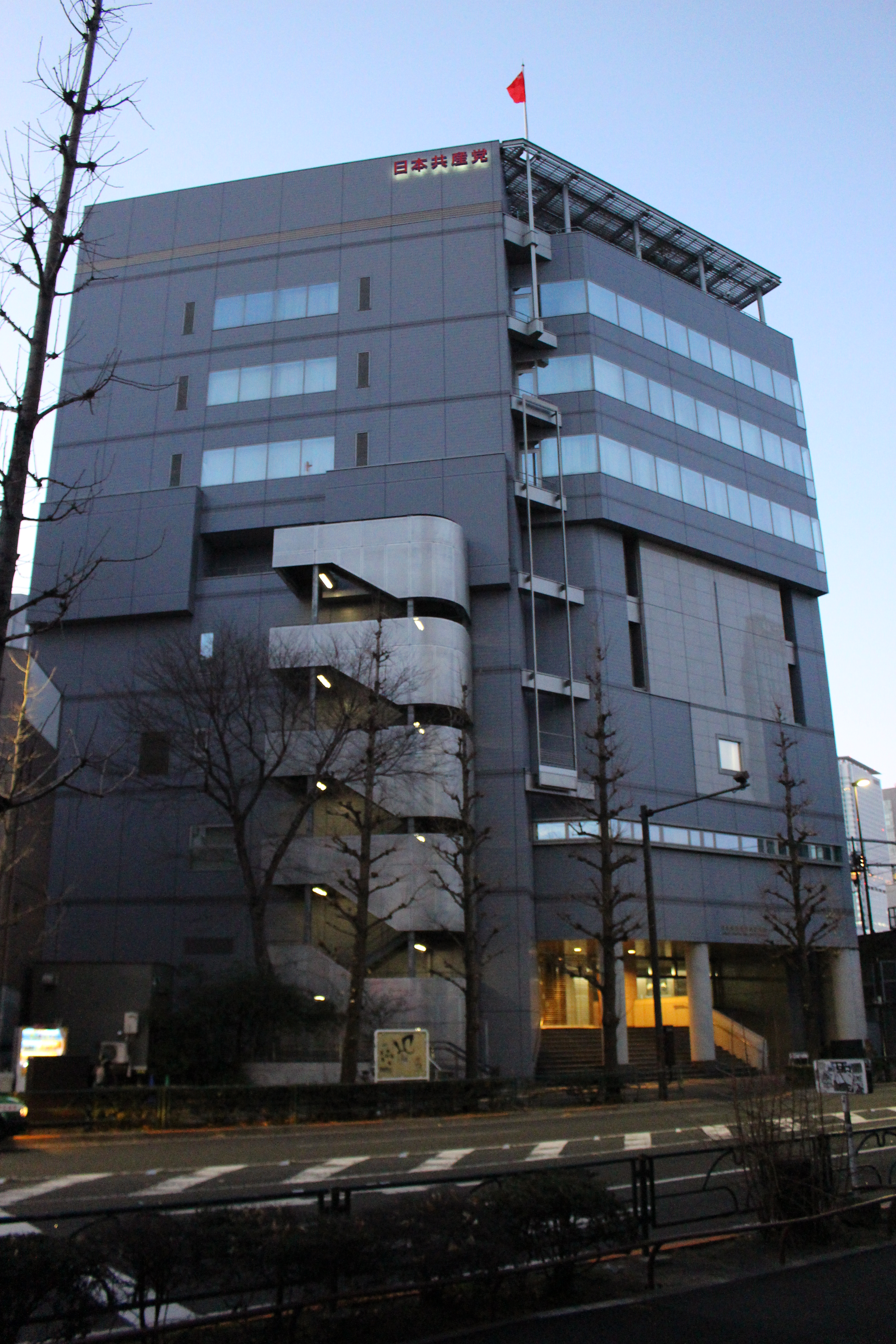
Japanese Communist Party
Political party in Japan
Japanese Communist Party (Left Faction)
Maoist political party in Japan
Kaikaku Kesshu no Kai
former Japanese political party

Kariyushi Club
political party
Kokuhonsha
historical organization in Japan
Kokumin Ikari no Koe
proposed political party in Japan
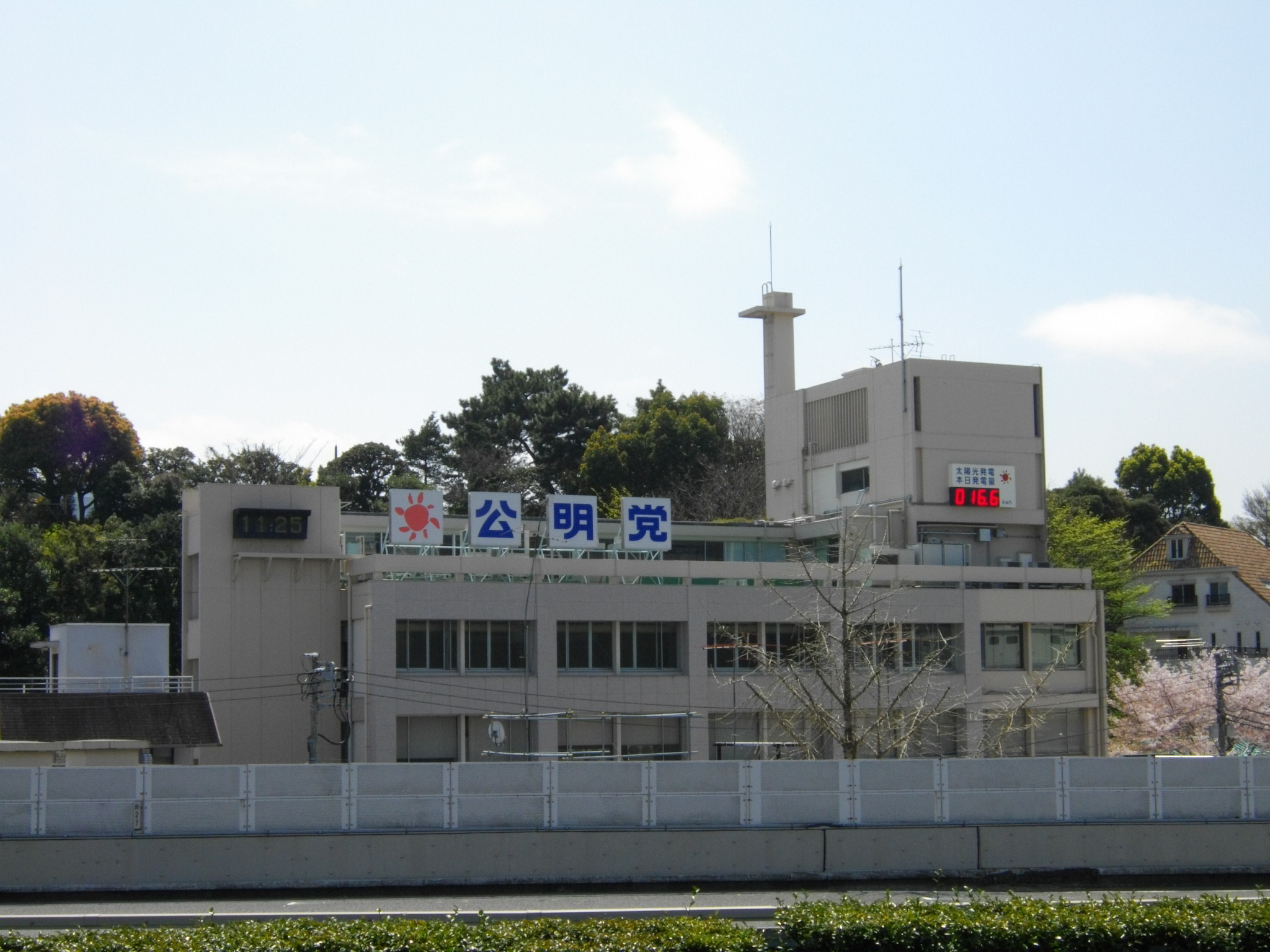
Komeito
conservative political party in Japan
Leftist Socialist Party of Japan
political party in Japan
Liberal Democratic Party
Japan's dominant party (LDP) since 1955. Conservative, pro-business, and closely tied to bureaucratic governance.
Liberal League
former Japanese political party
Mongolian Liberal Union Party
political party
National Socialist Japanese Labor Party
political party in Japan
New Conservative Party
political party in Japan
New Frontier Party
defunct political party in Japan
New Liberal Club
political party in Japan
New Party Daichi – True Democrats
political party
New Renaissance Party
political party in Japan
New Socialist Party
socialist party in Japan

Nippon Ishin no Kai
political party in Japan
Party for Japanese Kokoro
political party in Japan

Reiwa Shinsengumi
Japanese left-wing populist and progressive political party
Rightist Socialist Party of Japan
political party in Japan
Ryokufūkai (1947–60)
defunct political party in Japan

Sanseitō
Japanese political party
Shakai Taishūtō
political party

Social Democratic Party
Japanese political party
Socialist Democratic Federation
Japanese political party (1978–1994)
Sports and Peace Party
former political party in Japan
Tax Cuts Japan and Yukoku Alliance
Japanese political party
Team Mirai
Japanese political organization
The Collaborative Party
political party in Japan

Tokyo Seikatsusha Network
Japanese local political party
Tosa kinnō-tō
political organization in 19th century Japan
Unified Socialist League
Political party in Japan.
Offices

Elections
Trust & Coverage
- Page Type
- Country
- Last Updated
- March 21, 2026
- Sources
- Graph-backed
- Data Coverage
- Comprehensive(85/100)
Country data is assembled from structured entity records, election results, and office timelines.
You Might Also Explore
Aikoku Kōtō
political party
Ainu Party
political party in Japan
Amami Communist Party
former political party that sought the reunification of the Amami Islands with Japan
Assembly to Energize Japan
Japanese political party
Association for Realizing Free Education
political party in Japan
Centrist Reform Alliance
Japanese political party