
PoliticaHub Reference Sheet
Puerto Rican Independence Party
Party · Printed May 12, 2026 · politicahub.com/party/puerto-rican-independence-party-us
political party of Puerto Rico
Key Facts
| founded year | 1946 |
Frequently Asked Questions
- Q: What ideology does Puerto Rican Independence Party follow?
- A: Puerto Rican Independence Party is ideologically aligned with Liberalism.
- Q: When was Puerto Rican Independence Party founded?
- A: Puerto Rican Independence Party was founded in 1946, about 80 years ago.
- Q: Where does Puerto Rican Independence Party operate?
- A: Puerto Rican Independence Party operates in United States.
Source: politicahub.com/party/puerto-rican-independence-party-us
United StatesFounded 1946Liberalism
Ideologically tied to Liberalism.
Häufige Fragen
- What ideology does Puerto Rican Independence Party follow?
- Puerto Rican Independence Party is ideologically aligned with Liberalism.
- When was Puerto Rican Independence Party founded?
- Puerto Rican Independence Party was founded in 1946, about 80 years ago.
- Where does Puerto Rican Independence Party operate?
- Puerto Rican Independence Party operates in United States.
Two books worth reading
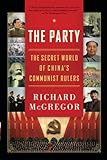 View on AmazonStart Here
The Party
Richard McGregor
The secret world of China's Communist rulers and how the Party controls everything.
View on Amazon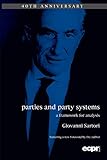 Listen on AudibleDeeper History
Political Parties
Giovanni Sartori
The classic framework for understanding how party systems form and compete.
Listen on Audible
As an Amazon Associate, PoliticaHub earns from qualifying purchases (including Audible) at no extra cost to you.
Connections
Party Feedback
Trust & Coverage
- Page Type
- Party
- Last Updated
- April 15, 2026
- Sources
- 2 linked
This page is generated from structured entity, relationship, and metadata records.
Coverage is still growing country by country, so some timelines and relationships may be incomplete.
Das könnte Sie auch interessieren
Liberalism
Broad political tradition centered on individual rights, constitutional government, civil liberties, and equal citizenship. Liberal schools disagree about markets and welfare, but most share a commitment to rule of law, pluralism, and limits on arbitrary power.
United States
Federal presidential republic and the world's largest economy, with power divided among the presidency, Congress, the states, and the federal courts. U.S. politics is highly polarized, two-party dominated, and globally consequential because decisions made in Washington shape finance, trade, security alliances, technology regulation, and military power far beyond U.S. borders.