
The Pandemic Sovereignty Crisis
A new pandemic emerges and the WHO declares an emergency. Major nations refuse to comply with the new pandemic treaty, hoarding vaccines and closing borders.
A novel respiratory pathogen with 3% mortality emerges in Southeast Asia. Under the newly ratified Pandemic Treaty, nations are required to share pathogen sequences within 24 hours, contribute to a global vaccine pool, and keep borders open for medical supplies. Within 72 hours, the US, China, and India all refuse to share sequences, claiming national security. Europe closes its borders entirely.
You are the Director-General of the WHO
The Situation Room
>The virus is spreading exponentially. WHO models project 50 million infections within 60 days without coordinated containment.
>The Pandemic Treaty has no enforcement mechanism beyond diplomatic pressure and public shaming.
>China has developed a vaccine candidate but refuses to share the formula, instead offering to sell doses at 10x production cost.
Internal Briefing Notes
• The Pandemic Treaty was designed to prevent the failures of COVID-19 — but like most international law, compliance is voluntary.
• Vaccine nationalism during COVID-19 resulted in wealthy nations hoarding 70% of initial doses while developing nations received less than 5%.
• Pathogen sequence sharing is essential for global vaccine development, but nations with advanced biotech see early access as a competitive advantage.
Escalation Window
Reveal each phase to see how the situation deteriorates.
The pandemic treaty is being ignored by the very nations that wrote it. Global cooperation has failed again. What is your move?
Choose your response. There are no good options.
Name and shame non-compliant nations at the General Assembly. Moral authority is your only weapon, and it didn't work during COVID either.
Declare a global health emergency that overrides vaccine patents under TRIPS flexibilities. Pharmaceutical companies will fight it, and wealthy nations will block enforcement.
Create a smaller alliance of nations that will share sequences and vaccines freely among themselves. Effective but fragmentary — and excludes the nations that need help most.
Related Entities
Explore the institutions, countries, and actors involved in this scenario.
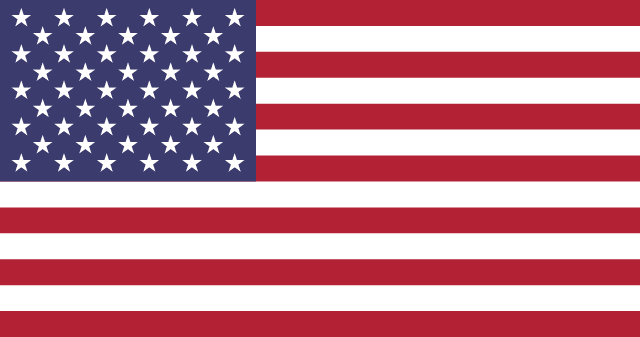
United States
Federal presidential republic and the world's largest economy, with power divided among the presidency, Congress, the states, and the federal courts. U.S. politics is highly polarized, two-party dominated, and globally consequential because decisions made in Washington shape finance, trade, security alliances, technology regulation, and military power far beyond U.S. borders.
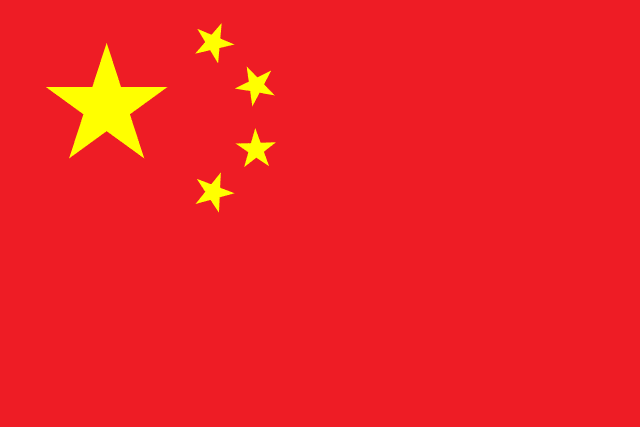
People's Republic of China
Single-party socialist state led by the Chinese Communist Party and one of the two central poles of global power. China combines party control, state planning capacity, export-industrial strength, technological ambition, and a vast domestic market, making its political decisions consequential for global trade, security, supply chains, and regional power balances.
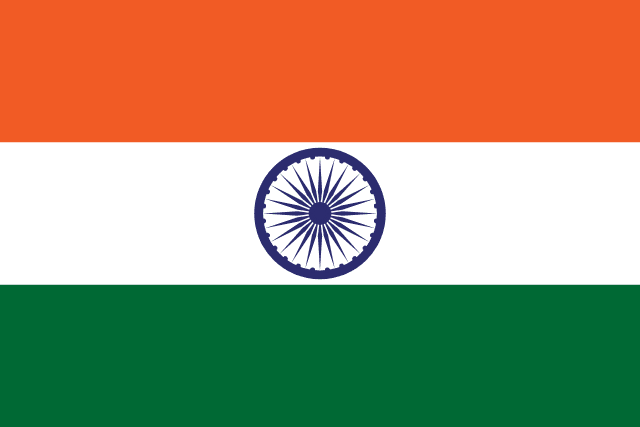
India
Federal parliamentary democratic republic. World's most populous country with a multi-party parliamentary system.
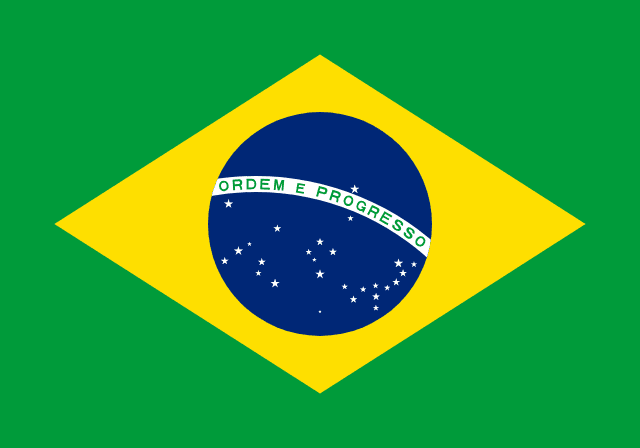
Brazil
Federal presidential republic in South America. Largest country in Latin America with a multi-party presidential system.
Scenario Lab Feedback