We use essential storage to run PoliticaHub. Under EU and Swedish rules, analytics and advertising stay off unless you actively allow them. Analytics includes Google Analytics plus Microsoft Clarity session recordings and heatmaps. Advertising consent is also required before any personalized Google ads can load. Privacy Policy.
The Sunday briefing, from North
One email a week. Elections worth watching, sharpest pages of the week, the thing most people misread about a country you'd recognise. No hot takes, no churn.
One email a week. Unsubscribe anytime — I don't take it personally.
Party for Freedom — Netherlands · founded 2006 | PoliticaHub
PoliticaHub Reference Sheet
Party for Freedom
Party · Printed May 12, 2026 · politicahub.com/party/party-for-freedom-nl
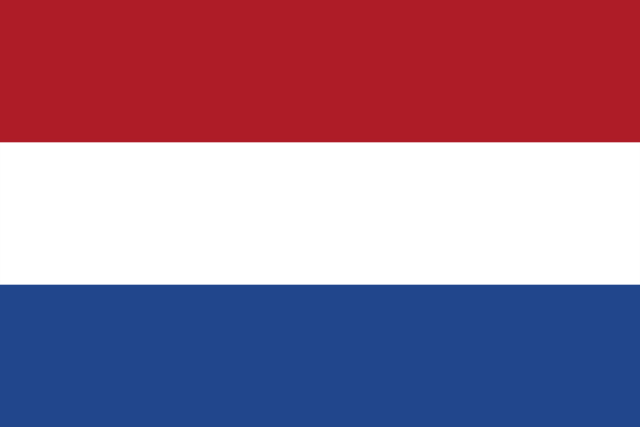
The PVV is Geert Wilders' personal political vehicle and one of the most unusual major parties in Europe because it is effectively organized around a single member: Wilders himself. It was created after Wilders broke with the VVD and built its identity around anti-Islam politics, immigration restriction, harsh law-and-order messaging, and hostility toward EU integration. For years it shaped Dutch politics mainly from outside power, but its 2023 victory forced the Dutch establishment to decide whether Wilders would remain a permanent outsider or become part of government.
Key Facts
founded year
2006
Frequently Asked Questions
Q: What ideology does Party for Freedom follow?
A: Party for Freedom is ideologically aligned with Nationalism, Populism.
Q: When was Party for Freedom founded?
A: Party for Freedom was founded in 2006, about 20 years ago.
Q: Who is associated with Party for Freedom?
A: Politicians connected to Party for Freedom on this site include Geert Wilders.
Q: Where does Party for Freedom operate?
A: Party for Freedom operates in Netherlands.
Q: What policy topics does Party for Freedom focus on?
A: Party for Freedom has stated positions on Immigration.
Q: What is Party for Freedom?
A: The PVV is Geert Wilders' personal political vehicle and one of the most unusual major parties in Europe because it is effectively organized around a single member: Wilders himself. It was created after Wilders broke with the VVD and built its identity around anti-Islam politics, immigration restriction, harsh law-and-order messaging, and hostility toward EU integration. For years it shaped Dutch politics mainly from outside power, but its 2023 victory forced the Dutch establishment to decide whether Wilders would remain a permanent outsider or become part of government.
The PVV is Geert Wilders' personal political vehicle and one of the most unusual major parties in Europe because it is effectively organized around a single member: Wilders himself. It was created after Wilders broke with the VVD and built its identity around anti-Islam politics, immigration restriction, harsh law-and-order messaging, and hostility toward EU integration. For years it shaped Dutch politics mainly from outside power, but its 2023 victory forced the Dutch establishment to decide whether Wilders would remain a permanent outsider or become part of government.
party
PF
What is Party for Freedom?
The PVV is Geert Wilders' personal political vehicle and one of the most unusual major parties in Europe because it is effectively organized around a single member: Wilders himself. It was created after Wilders broke with the VVD and built its identity around anti-Islam politics, immigration restriction, harsh law-and-order messaging, and hostility toward EU integration. For years it shaped Dutch politics mainly from outside power, but its 2023 victory forced the Dutch establishment to decide whether Wilders would remain a permanent outsider or become part of government.
Party History
The PVV was founded in 2006 after Geert Wilders broke with the VVD, primarily over EU enlargement and migration politics. Unlike normal mass parties, it developed as a tightly controlled personal vehicle centered on Wilders' leadership, anti-Islam message, and anti-establishment style. Its long political arc runs from protest and ostracism to parliamentary indispensability, culminating in the moment when Dutch establishment parties stopped treating it only as a force to contain and instead accepted its place in government formation.
Visual Context
Related people, parties, or institutions mentioned in the page.
Political style or ideology that pits a supposedly authentic people against a corrupt elite and demands that politics reflect the popular will more directly. It can attach itself to left-wing, right-wing, democratic, or authoritarian projects.