We use essential storage to run PoliticaHub. Under EU and Swedish rules, analytics and advertising stay off unless you actively allow them. Analytics includes Google Analytics plus Microsoft Clarity session recordings and heatmaps. Advertising consent is also required before any personalized Google ads can load. Privacy Policy.
The Sunday briefing, from North
One email a week. Elections worth watching, sharpest pages of the week, the thing most people misread about a country you'd recognise. No hot takes, no churn.
One email a week. Unsubscribe anytime — I don't take it personally.
People's Party for Freedom and Democracy — Netherlands · founded 1948 | PoliticaHub
PoliticaHub Reference Sheet
People's Party for Freedom and Democracy
Party · Printed May 12, 2026 · politicahub.com/party/peoples-party-for-freedom-and-democracy-nl
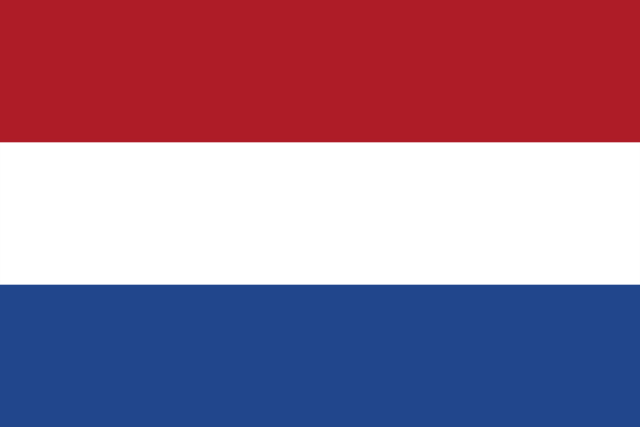
The VVD is the Netherlands' main liberal-conservative governing party and the party that dominated the Mark Rutte era. It combines pro-business economics, Atlanticism, support for the European Union from a pragmatic rather than idealistic angle, and a long tradition of managerial coalition politics. Its importance comes not only from ideology but from its role as the central brokerage party of Dutch politics: flexible enough to work with centrists and Christian democrats, but increasingly pressured on the right by Wilders and newer populist challengers.
Key Facts
founded year
1948
Frequently Asked Questions
Q: What ideology does People's Party for Freedom and Democracy follow?
A: People's Party for Freedom and Democracy is ideologically aligned with Conservatism, Liberalism.
Q: When was People's Party for Freedom and Democracy founded?
A: People's Party for Freedom and Democracy was founded in 1948, about 78 years ago.
Q: Who is associated with People's Party for Freedom and Democracy?
A: Politicians connected to People's Party for Freedom and Democracy on this site include Mark Rutte.
Q: Where does People's Party for Freedom and Democracy operate?
A: People's Party for Freedom and Democracy operates in Netherlands.
Q: What is People's Party for Freedom and Democracy?
A: The VVD is the Netherlands' main liberal-conservative governing party and the party that dominated the Mark Rutte era. It combines pro-business economics, Atlanticism, support for the European Union from a pragmatic rather than idealistic angle, and a long tradition of managerial coalition politics. Its importance comes not only from ideology but from its role as the central brokerage party of Dutch politics: flexible enough to work with centrists and Christian democrats, but increasingly pressured on the right by Wilders and newer populist challengers.
The VVD is the Netherlands' main liberal-conservative governing party and the party that dominated the Mark Rutte era. It combines pro-business economics, Atlanticism, support for the European Union from a pragmatic rather than idealistic angle, and a long tradition of managerial coalition politics. Its importance comes not only from ideology but from its role as the central brokerage party of Dutch politics: flexible enough to work with centrists and Christian democrats, but increasingly pressured on the right by Wilders and newer populist challengers.
party
PP
The VVD is the Netherlands' main liberal-conservative governing party and the party that dominated the Mark Rutte era. It combines pro-business economics, Atlanticism, support for the European Union from a pragmatic rather than idealistic angle, and a long tradition of managerial coalition politics. Its importance comes not only from ideology but from its role as the central brokerage party of Dutch politics: flexible enough to work with centrists and Christian democrats, but increasingly pressured on the right by Wilders and newer populist challengers.
Party History
Founded in 1948, the VVD became the main liberal-conservative governing force of Dutch politics, especially in the long Rutte period. It combined fiscal moderation, business-friendly economics, coalition pragmatism, and a style of managerial competence that made it acceptable to a wide range of partners. Its modern problem has been strategic pressure from both directions: progressive liberals see it as too accommodating to the right, while Wilders-style voters see it as too establishment and insufficiently hard on migration and identity.
Visual Context
Related people, parties, or institutions mentioned in the page.
Broad political tradition centered on individual rights, constitutional government, civil liberties, and equal citizenship. Liberal schools disagree about markets and welfare, but most share a commitment to rule of law, pluralism, and limits on arbitrary power.