We use essential storage to run PoliticaHub. Under EU and Swedish rules, analytics and advertising stay off unless you actively allow them. Analytics includes Google Analytics plus Microsoft Clarity session recordings and heatmaps. Advertising consent is also required before any personalized Google ads can load. Privacy Policy.
The Sunday briefing, from North
One email a week. Elections worth watching, sharpest pages of the week, the thing most people misread about a country you'd recognise. No hot takes, no churn.
One email a week. Unsubscribe anytime — I don't take it personally.
Germany vs France: Political System, Power & EU Influence Compared (2026) | PoliticaHub
Germany vs France: Political System, Power & EU Influence Compared
Germany and France are both central European powers, but they organize executive authority very differently: Germany through parliamentary coalition rule and France through a semi-presidential system centered on the presidency.
France has greater military reach and independent foreign policy; Germany has the larger economy and dominates EU economic governance.
Germany is a federal parliamentary republic led by a chancellor. France is a semi-presidential republic with a directly elected president. France has nuclear weapons and greater military projection, while Germany has the EU's largest economy. Together they form the Franco-German axis that drives European integration.
Power Snapshot
The Franco-German axis: France has nuclear weapons and military reach; Germany has the EU's largest economy.
Germany
Military Strength
Rebuilding
Defense Budget
~$67 billion
Active Personnel
~183,000
Global Influence
High
Key insight. The Bundeswehr is recovering from decades of underinvestment. Readiness rates on submarines, helicopters, and combat aircraft remain below NATO targets despite the €100 billion Zeitenwende fund — current capability lags the budget headline.
Key insight. France keeps an independent nuclear deterrent, expeditionary capability, overseas bases, and a serious defense industry — Paris wants the option to act, not merely be consulted. Mass and ammunition depth are the real limits.
🇫🇷 FR· Unitary semi-presidential republic· Capital: Paris
Country Snapshot
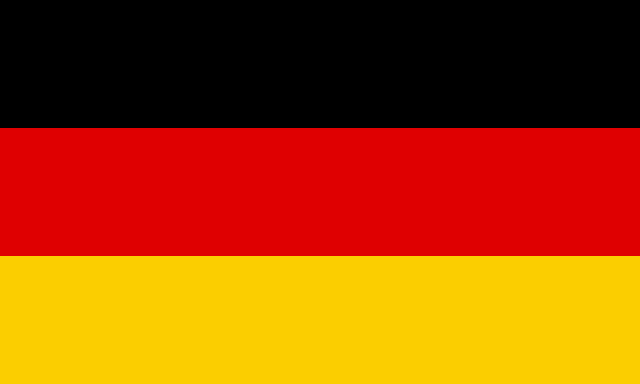
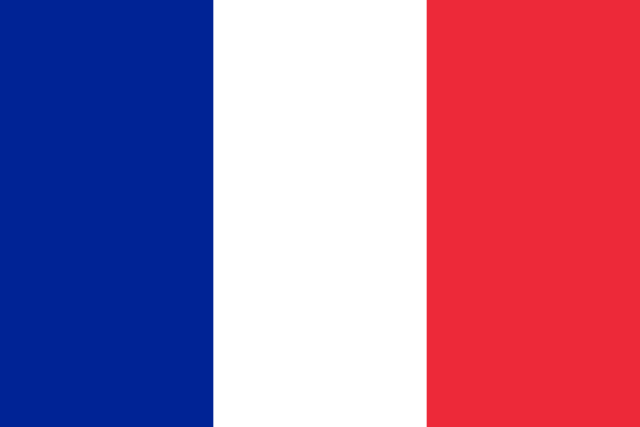
This section pulls the most useful structured facts onto one screen: flags, capital cities, system type, current leaders, election links, and how many parties and institutions the graph already connects to each country.
🇩🇪 Germany
Federal parliamentary republic in Central Europe. Largest economy in the EU with a multi-party coalition system.
Capital: BerlinGovernment: Federal parliamentary republicPopulation: 84 millionLegislature: Bundestag (with Bundesrat as federal council)Executive: Chancellor elected by the Bundestag and dependent on parliamentary confidence. Federal president serves a largely ceremonial role. Constructive vote of no confidence requires naming a successor to remove the chancellor.
Capital: ParisGovernment: Unitary semi-presidential republicPopulation: 68 millionLegislature: Parliament (National Assembly and Senate)Executive: Directly elected president who appoints the prime minister, with government dependent on National Assembly confidence. Cohabitation possible when president and parliament are from different camps.
Federal parliamentary republic in Central Europe. Largest economy in the EU with a multi-party coalition system.
Semi-presidential republic in Western Europe. Founding EU member and permanent UN Security Council member.
Country
DE
FR
Continent
Europe
Europe
Capital
Berlin
Paris
Government
Federal parliamentary republic
Unitary semi-presidential republic
Population
84 million
68 million
Legislature
Bundestag (with Bundesrat as federal council)
Two major powers, two different constitutional logics
Germany and France are often grouped together as the political core of the European Union, but their domestic systems work very differently. Germany is a parliamentary republic in which the chancellor depends on Bundestag support, while France is a semi-presidential republic in which the president holds an independent national mandate and a more direct strategic role.
Executive design
Germany's executive authority is built around coalition management, cabinet bargaining, and parliamentary durability. France combines a president and a prime minister, and the relative weight of each can change depending on whether the president controls the National Assembly or faces cohabitation with an opposing parliamentary majority.
Party competition and government formation
Germany's proportional system makes coalition formation routine and gives party arithmetic a central place in politics. France's two-round electoral structure personalizes executive politics more strongly and can create large swings in institutional control between the presidency and parliament.
Why the comparison matters
This comparison is valuable because it explains why two countries with similar international weight can produce such different domestic governing styles. Germany is the classic coalition-management state; France is the classic case of dual executive power under electoral strain.
France has greater military power and nuclear weapons. Germany has a larger economy and more weight in EU economic policy. Overall influence is comparable.
What is the difference between German and French government?
Germany is a federal parliamentary republic with a ceremonial president and a powerful chancellor. France is a semi-presidential republic where the president holds significant executive power.
Does Germany have nuclear weapons?
No. Germany does not possess nuclear weapons, though it hosts US nuclear weapons under NATO sharing arrangements. France has an independent nuclear deterrent.
Which country has more influence in the EU?
Both are indispensable. Germany leads on economic and fiscal policy; France leads on defense and foreign policy. Major EU decisions typically require Franco-German agreement.
One email a week. Elections worth watching, sharpest pages of the week, the thing most people misread about a country you'd recognise. No hot takes, no churn.
One email a week. Unsubscribe anytime — I don't take it personally.
Graph Coverage
353 linked parties
2 linked institutions
3 linked offices
3 tracked elections
Parliament (National Assembly and Senate)
Executive structure
Chancellor elected by the Bundestag and dependent on parliamentary confidence. Federal president serves a largely ceremonial role. Constructive vote of no confidence requires naming a successor to remove the chancellor.
Directly elected president who appoints the prime minister, with government dependent on National Assembly confidence. Cohabitation possible when president and parliament are from different camps.
Current leaders
Federal President of Germany: Frank-Walter Steinmeier (2017-03-19)