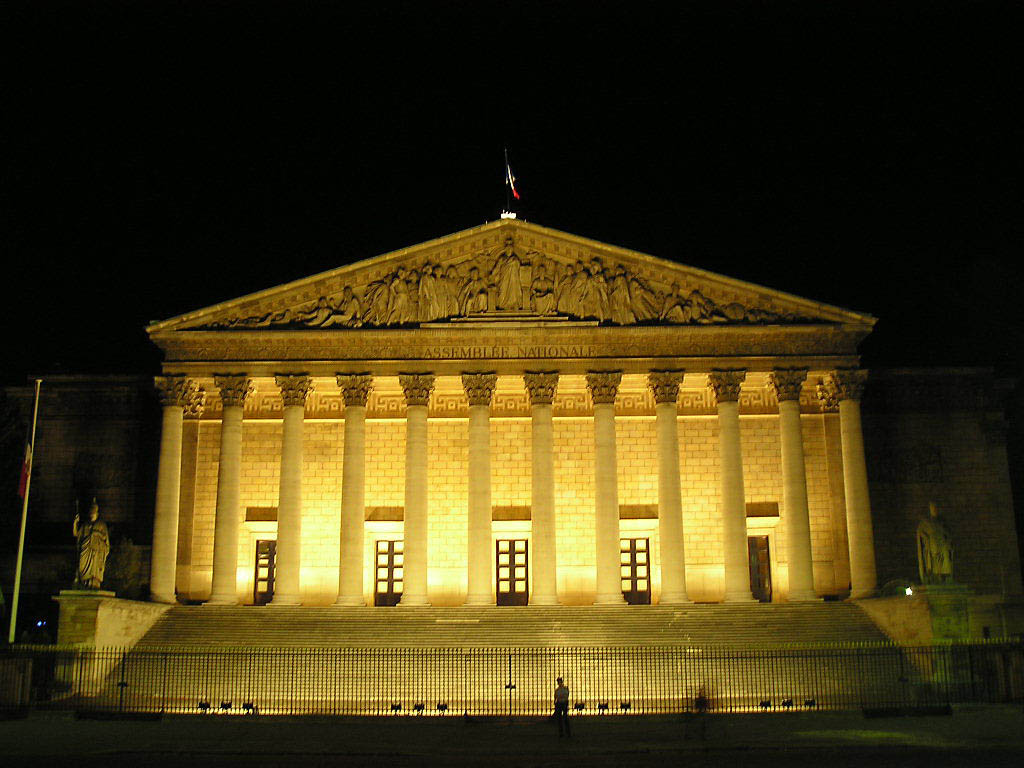
France Government & Political System
France is the republic of strong presidents, a strong state, weak party loyalties, and recurring political eruptions. It is centralised enough to look controlled from Paris and conflict-ridden enough to remind you that French politics is never really settled.
A State Built After Repeated Breakdowns
France carries more regime memory than almost any other large democracy. Revolution, empire, monarchy, republic, collapse, occupation, liberation, and constitutional redesign are not just items in a timeline here; they are part of the political imagination. That is why debates about authority, legitimacy, and the role of the state often feel unusually loaded. French politics rarely treats institutions as neutral background.
Power Profile
Executive power concentrated in the elected president
Direct election of head of state and legislature
Separated across executive, legislative, and judicial branches
Shapes global trade, security, and diplomatic outcomes beyond national borders
Derived from system type and role classification
Did you know?
- 353 political parties compete for just 3 tracked elected offices.