We use essential storage to run PoliticaHub. Under EU and Swedish rules, analytics and advertising stay off unless you actively allow them. Advertising consent is also required before any personalized Google ads can load. Privacy Policy.
The Sunday briefing, from North
One email a week. Elections worth watching, sharpest pages of the week, the thing most people misread about a country you'd recognise. No hot takes, no churn.
One email a week. Unsubscribe anytime — I don't take it personally.
All Ceylon Tamil Congress vs Ceylon Labour Party: Ideology & Platform Compared | PoliticaHub | PoliticaHub
All Ceylon Tamil Congress vs Ceylon Labour Party
Comparing All Ceylon Tamil Congress and Ceylon Labour Party — two political parties examined through their founding histories, ideological positions, electoral strength, and influence on governance.
Help Shape The Next Comparison
Tell Us What To Compare Or Improve Next
Use this quick signal box to request a country pair, ask for missing context, or tell us what landed and what didn't.
Ceylon Labour Party was founded in 1928, giving it a 16-year head start over All Ceylon Tamil Congress (established 1944). This age difference is significant: older parties tend to have deeper institutional roots, more established voter bases, and stronger organizational structures, while newer parties can be more agile and responsive to contemporary political demands.
Competing within the same system
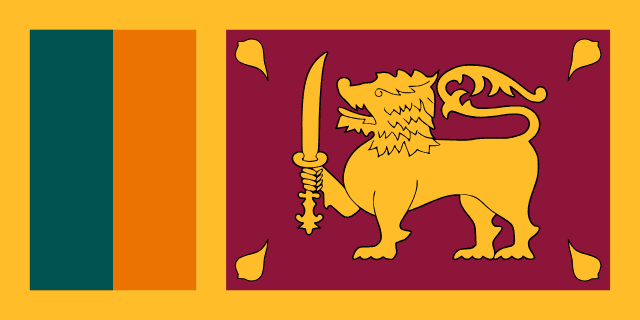
Both All Ceylon Tamil Congress and Ceylon Labour Party operate within Sri Lanka's political system, meaning they compete for many of the same voters, navigate the same electoral rules, and respond to the same national challenges. Understanding how two parties in the same country differ reveals the fault lines and choices within that country's politics.
Key differences at a glance
All Ceylon Tamil Congress was founded in 1944 and Ceylon Labour Party in 1928, giving them different relationships to the political establishment.