Merkel vs Thatcher: Two Women Who Shaped European Conservatism
Angela Merkel and Margaret Thatcher are the two most powerful women in European political history. Both served as long-term conservative leaders — but their versions of conservatism, their management styles, and their relationships with Europe were profoundly different.
Angela Merkel
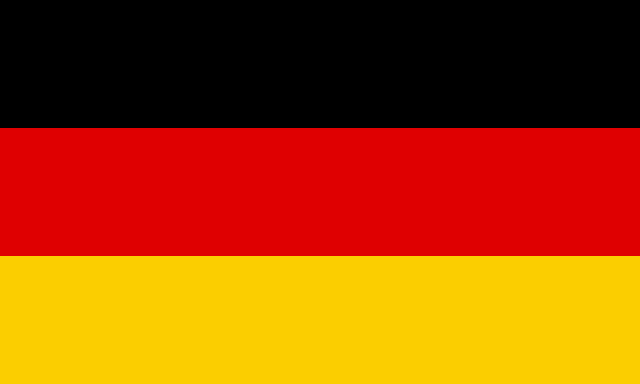
Chancellor of Germany from 2005 to 2021. CDU leader who dominated German and European politics for 16 years.
Margaret Thatcher
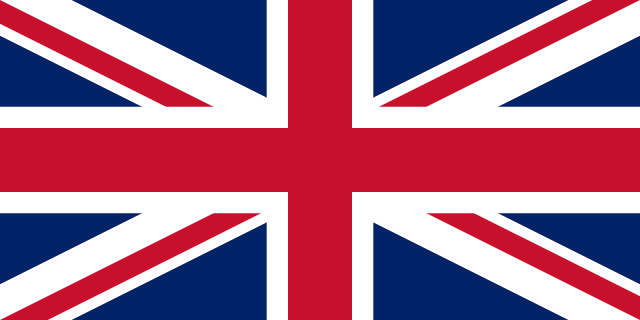
First female Prime Minister of the United Kingdom (1925–2013) who served from 1979 to 1990 and reshaped British politics through privatization, union reform, and ideological commitment to free-market economics. Thatcherism became a global export, influencing centre-right parties worldwide.
Political style and leadership method
Thatcher was ideological, combative, and transformational — she deliberately polarized British politics, broke with postwar consensus, and treated compromise as weakness. Her conviction politics defined her brand. Merkel was pragmatic, incremental, and deliberately de-ideological — she governed through coalition management, scientific evidence, and careful consensus-building. Where Thatcher announced what she believed and dared the opposition to stop her, Merkel waited to see where political reality was going and managed the process of getting there. Both were extraordinarily effective; their methods were near opposites.
European integration
Thatcher was deeply skeptical of European integration and fought hard against what she saw as Brussels bureaucracy threatening British sovereignty — her 1988 Bruges speech became the foundational text of Euroscepticism. Merkel was the most important single architect of European crisis management during her tenure, leading European responses to the eurozone debt crisis (2010–15), the refugee crisis (2015–16), and providing institutional stability during Brexit. For Thatcher, Europe was a constraint on British freedom; for Merkel, European institutions were the framework within which German power could be exercised legitimately.
Economic policy
Thatcher dismantled the postwar mixed economy: privatization of state industries, trade union reform, deregulation, and sharp cuts to income tax rates. Her economic revolution was ideologically driven and produced significant short-term disruption and deindustrialization alongside longer-term growth. Merkel's economic policy was more technocratic — emphasizing fiscal discipline (the "debt brake"), export competitiveness, and industrial policy that maintained manufacturing as a core of the German economy. Thatcher would have considered Germany's labor market regulations and co-determination system inimical to competitiveness; Merkel would have considered Thatcher's deregulation reckless.
Historical significance
Both are canonical figures in the history of women in politics, but in different ways. Thatcher broke through in a political culture that had never had a woman head of government by being more aggressively masculine in political style than her male opponents — the "Iron Lady" brand was consciously cultivated. Merkel governed for 16 years in a way that made her gender less of an explicit political factor while her longevity itself became historically significant. Both demonstrate that women can reach the apex of political power through very different strategies.
Follow This Comparison Into The Graph
Related Entities
All comparisonsPage Feedback
Quick signal only. No account needed.