United Kingdom: Political System, Government & Westminster Explained
The United Kingdom looks tidy in textbooks and improvised in real life. There is no single written constitution, a government with a Commons majority can move very fast, and devolution means the state is less unitary than it first appears.
A Constitution Made Of Laws, Courts, And Habits
British politics runs on a mix of statute, precedent, convention, and royal powers that ministers use in the monarch's name. That gives the system a strange mix of flexibility and fragility. It can adapt quickly because Parliament can change basic rules through ordinary legislation. It can also drift into confusion because so much depends on habits of restraint rather than hard constitutional text.
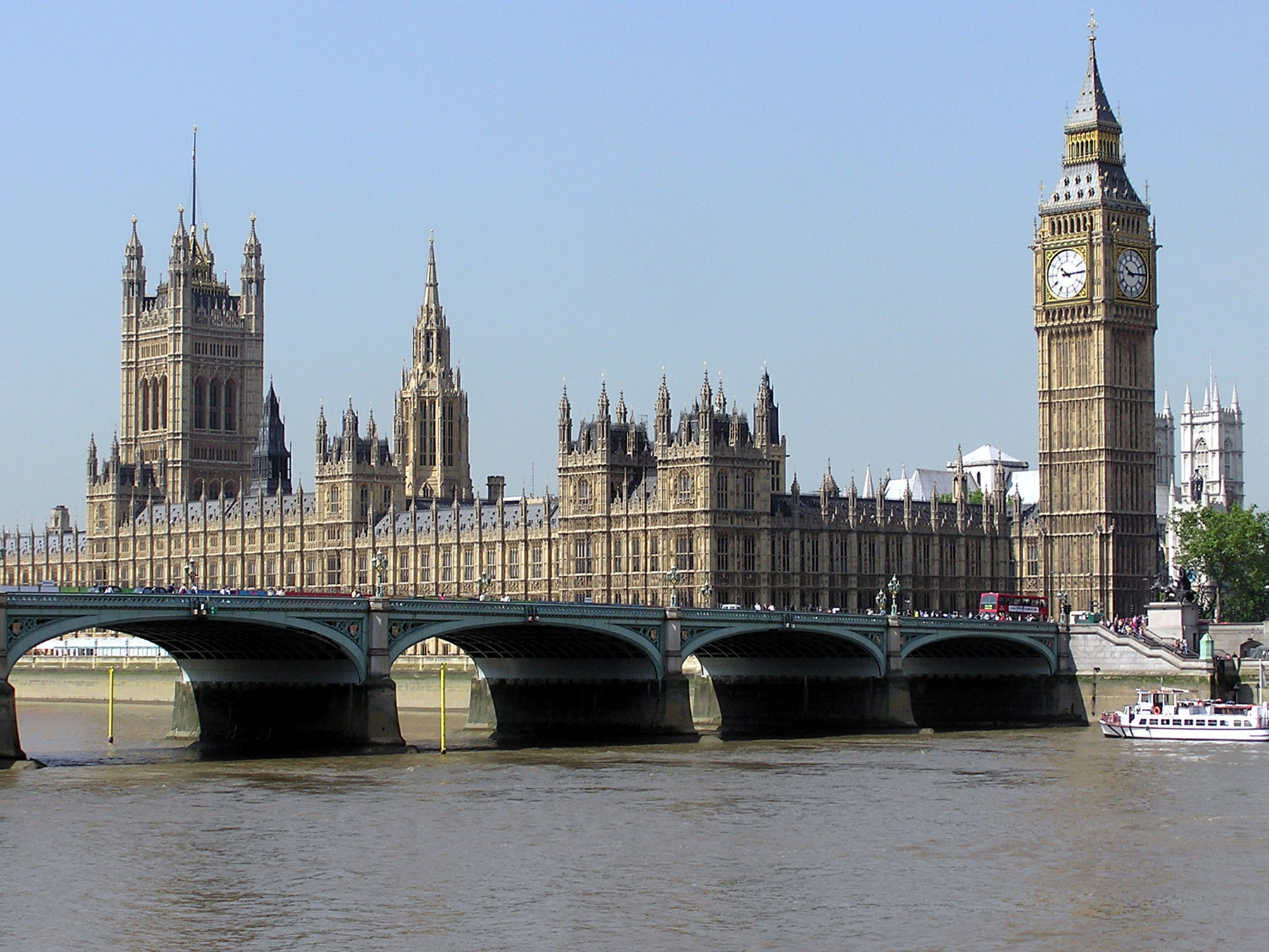
That is why the United Kingdom can feel both ancient and improvised at the same time. The monarchy is ceremonial in practice, the House of Lords can revise but not rule, the Supreme Court is powerful in specific moments but not a general political manager, and ministers operate inside a system where custom matters almost as much as written law. When everybody follows the script, Westminster looks efficient. When they do not, the gaps show immediately.
Power Profile
Power shared between monarch and elected government
Citizens elect parliament; monarch retains key prerogatives
Split between hereditary and elected institutions
Shapes global trade, security, and diplomatic outcomes beyond national borders
Derived from system type and role classification
Position in System
United Kingdom operates as a constitutional monarchy where a hereditary head of state shares governance with elected institutions. Political power flows through both the monarchy and parliamentary structures, with the balance between them defining the country's political character. The system operates through 4 tracked political offices and 5 institutions, which collectively define how authority is exercised, checked, and transferred.
Did you know?
- 487 political parties compete for just 4 tracked elected offices.