
PoliticaHub Reference Sheet
Party for Freedom
Party · Printed April 15, 2026 · politicahub.com/party/party-for-freedom-nl
The PVV is Geert Wilders' personal political vehicle and one of the most unusual major parties in Europe because it is effectively organized around a single member: Wilders himself. It was created after Wilders broke with the VVD and built its identity around anti-Islam politics, immigration restriction, harsh law-and-order messaging, and hostility toward EU integration. For years it shaped Dutch politics mainly from outside power, but its 2023 victory forced the Dutch establishment to decide whether Wilders would remain a permanent outsider or become part of government.
Key Facts
| founded year | 2006 |
Frequently Asked Questions
- Q: What ideology does Party for Freedom follow?
- A: Party for Freedom is ideologically aligned with Nationalism, Populism. This ideological orientation shapes the party's policy platform, coalition preferences, and voter base. Parties may combine elements from multiple ideological traditions to appeal to a broader electorate.
- Q: When was Party for Freedom founded?
- A: Party for Freedom was founded in 2006, making it approximately 20 years old. The party's longevity reflects its ability to adapt to changing political landscapes and maintain electoral relevance over time.
- Q: Who leads Party for Freedom?
- A: Key political figures affiliated with Party for Freedom include Geert Wilders. The party has 1 notable politician in its ranks. Party leadership determines internal strategy, candidate selection, and the public face of the organization.
- Q: What countries does Party for Freedom operate in?
- A: Party for Freedom operates in Netherlands. The party's activities, electoral performance, and policy influence are shaped by the political system and electoral rules of Netherlands.
- Q: Is Party for Freedom currently in government?
- A: Party for Freedom has 1 notable politician in Netherlands. Whether the party currently holds government depends on the latest election results and coalition negotiations.
- Q: How many politicians are affiliated with Party for Freedom?
- A: Party for Freedom has 1 affiliated politician. Party membership is a key indicator of a politician's policy orientation and coalition allegiances within the political system.
Source: politicahub.com/party/party-for-freedom-nl
Party for Freedom
NL
The PVV is Geert Wilders' personal political vehicle and one of the most unusual major parties in Europe because it is effectively organized around a single member: Wilders himself. It was created after Wilders broke with the VVD and built its identity around anti-Islam politics, immigration restriction, harsh law-and-order messaging, and hostility toward EU integration. For years it shaped Dutch politics mainly from outside power, but its 2023 victory forced the Dutch establishment to decide whether Wilders would remain a permanent outsider or become part of government.
Party at a Glance
Why This Party Matters
The PVV is Geert Wilders' personal political vehicle and one of the most unusual major parties in Europe because it is effectively organized around a single member: Wilders himself. It was created after Wilders broke with the VVD and built its identity around anti-Islam politics, immigration restriction, harsh law-and-order messaging, and hostility toward EU integration. For years it shaped Dutch politics mainly from outside power, but its 2023 victory forced the Dutch establishment to decide whether Wilders would remain a permanent outsider or become part of government.
At a Glance
Party for Freedom is a political party in Netherlands, founded in 2006 — making it 20 years old.
Party for Freedom draws on Nationalism and Populism, combining ideas from each of those traditions rather than fitting neatly into a single lane.
The PVV was founded in 2006 after Geert Wilders broke with the VVD, primarily over EU enlargement and migration politics. Unlike normal mass parties, it developed as a tightly controlled personal vehicle centered on Wilders' leadership, anti-Islam message, and anti-establishment style. Its long political arc runs from protest and ostracism to parliamentary indispensability, culminating in the moment when Dutch establishment parties stopped treating it only as a force to contain and instead accepted its place in government formation.
1 notable politician is affiliated with Party for Freedom.
Connections At A Glance
Related Concepts
Kurzfakten
- Founded 20 years ago in 2006
- 1 politician tracked in this party
- Associated with 2 ideological positions
Details
- founded year
- 2006
Party History
The PVV was founded in 2006 after Geert Wilders broke with the VVD, primarily over EU enlargement and migration politics. Unlike normal mass parties, it developed as a tightly controlled personal vehicle centered on Wilders' leadership, anti-Islam message, and anti-establishment style. Its long political arc runs from protest and ostracism to parliamentary indispensability, culminating in the moment when Dutch establishment parties stopped treating it only as a force to contain and instead accepted its place in government formation.
Related people, parties, or institutions mentioned in the page.
Next To Explore
Nationalism
Ideology that places the nation at the center of political loyalty and argues that political power should protect national identity, sovereignty, and self-determination. It can be civic or ethnic, emancipatory or exclusionary, depending on how the nation is defined.
Populism
Political style or ideology that pits a supposedly authentic people against a corrupt elite and demands that politics reflect the popular will more directly. It can attach itself to left-wing, right-wing, democratic, or authoritarian projects.
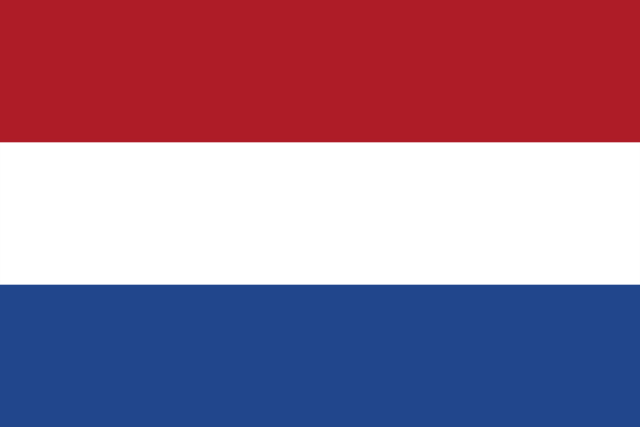
Netherlands
Parliamentary constitutional monarchy in Northwestern Europe. Consensus-driven multi-party system with coalition governments.
Immigration
Policy governing the movement of people across borders, including asylum, work permits, citizenship pathways, and border enforcement. One of the most polarizing issues in democracies worldwide.
Häufige Fragen
- What ideology does Party for Freedom follow?
- Party for Freedom is ideologically aligned with Nationalism, Populism. This ideological orientation shapes the party's policy platform, coalition preferences, and voter base. Parties may combine elements from multiple ideological traditions to appeal to a broader electorate.
- When was Party for Freedom founded?
- Party for Freedom was founded in 2006, making it approximately 20 years old. The party's longevity reflects its ability to adapt to changing political landscapes and maintain electoral relevance over time.
- Who leads Party for Freedom?
- Key political figures affiliated with Party for Freedom include Geert Wilders. The party has 1 notable politician in its ranks. Party leadership determines internal strategy, candidate selection, and the public face of the organization.
- What countries does Party for Freedom operate in?
- Party for Freedom operates in Netherlands. The party's activities, electoral performance, and policy influence are shaped by the political system and electoral rules of Netherlands.
- Is Party for Freedom currently in government?
- Party for Freedom has 1 notable politician in Netherlands. Whether the party currently holds government depends on the latest election results and coalition negotiations.
- How many politicians are affiliated with Party for Freedom?
- Party for Freedom has 1 affiliated politician. Party membership is a key indicator of a politician's policy orientation and coalition allegiances within the political system.
Recommended Reading
A few strong next reads if you want to go beyond the explainer and spend more time with the underlying people, ideas, and history.
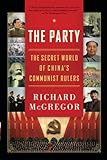
The Party
Richard McGregor
A strong first book if you want the clearest next step from this page.
The secret world of China's Communist rulers and how the Party controls everything.
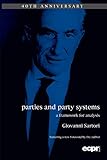
Political Parties
Giovanni Sartori
Use this when you want the longer institutional or historical backdrop.
The classic framework for understanding how party systems form and compete.
As an Amazon Associate, PoliticaHub earns from qualifying purchases at no extra cost to you.
Connections
Ideology
Nationalism
Ideology that places the nation at the center of political loyalty and argues that political power should protect national identity, sovereignty, and self-determination. It can be civic or ethnic, emancipatory or exclusionary, depending on how the nation is defined.
Populism
Political style or ideology that pits a supposedly authentic people against a corrupt elite and demands that politics reflect the popular will more directly. It can attach itself to left-wing, right-wing, democratic, or authoritarian projects.
Party Feedback
Quick signal only. No account needed.
Trust & Coverage
- Page Type
- Party
- Last Updated
- April 15, 2026
- Sources
- Graph-backed
- Data Coverage
- Comprehensive(65/100)
This page is generated from structured entity, relationship, and metadata records.
Coverage is still growing country by country, so some timelines and relationships may be incomplete.
Das könnte Sie auch interessieren
Nationalism
Ideology that places the nation at the center of political loyalty and argues that political power should protect national identity, sovereignty, and self-determination. It can be civic or ethnic, emancipatory or exclusionary, depending on how the nation is defined.
Populism
Political style or ideology that pits a supposedly authentic people against a corrupt elite and demands that politics reflect the popular will more directly. It can attach itself to left-wing, right-wing, democratic, or authoritarian projects.
Netherlands
Parliamentary constitutional monarchy in Northwestern Europe. Consensus-driven multi-party system with coalition governments.
Immigration
Policy governing the movement of people across borders, including asylum, work permits, citizenship pathways, and border enforcement. One of the most polarizing issues in democracies worldwide.
Geert Wilders
Leader of the Party for Freedom and winner of the 2023 Dutch general election plurality.