
PoliticaHub Reference Sheet
Liberal Democratic Party of Russia
Party · Printed May 17, 2026 · politicahub.com/party/liberal-democratic-party-of-russia-ru
Nationalist party founded by Vladimir Zhirinovsky in 1991. Despite its name, it promotes authoritarian nationalism and operates as a loyalist opposition party.
Key Facts
| founded year | 1991 |
Frequently Asked Questions
- Q: What ideology does Liberal Democratic Party of Russia follow?
- A: Liberal Democratic Party of Russia is ideologically aligned with Nationalism, Populism.
- Q: When was Liberal Democratic Party of Russia founded?
- A: Liberal Democratic Party of Russia was founded in 1991, about 35 years ago.
- Q: Where does Liberal Democratic Party of Russia operate?
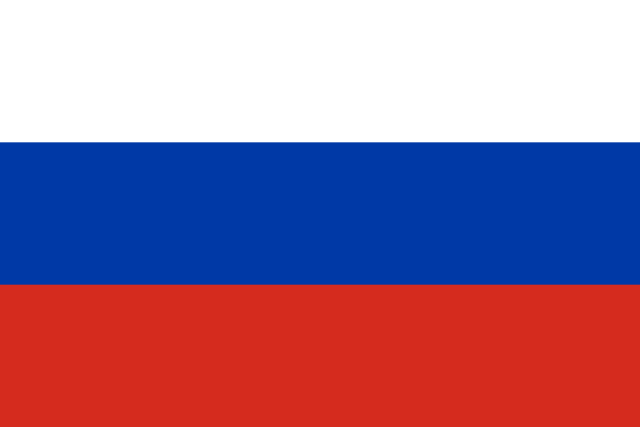
- A: Liberal Democratic Party of Russia operates in Russia.
- Q: What is Liberal Democratic Party of Russia?
- A: Nationalist party founded by Vladimir Zhirinovsky in 1991. Despite its name, it promotes authoritarian nationalism and operates as a loyalist opposition party.
Source: politicahub.com/party/liberal-democratic-party-of-russia-ru
Liberal Democratic Party of Russia
Nationalist party founded by Vladimir Zhirinovsky in 1991. Despite its name, it promotes authoritarian nationalism and operates as a loyalist opposition party.

RussiaFounded 1991Nationalism
Ideologically tied to Nationalism and Populism.
Preguntas frecuentes
- What ideology does Liberal Democratic Party of Russia follow?
- Liberal Democratic Party of Russia is ideologically aligned with Nationalism, Populism.
- When was Liberal Democratic Party of Russia founded?
- Liberal Democratic Party of Russia was founded in 1991, about 35 years ago.
- Where does Liberal Democratic Party of Russia operate?
- Liberal Democratic Party of Russia operates in Russia.
- What is Liberal Democratic Party of Russia?
- Nationalist party founded by Vladimir Zhirinovsky in 1991. Despite its name, it promotes authoritarian nationalism and operates as a loyalist opposition party.
Two books worth reading
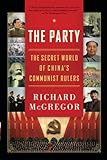 View on AmazonStart Here
The Party
Richard McGregor
The secret world of China's Communist rulers and how the Party controls everything.
View on Amazon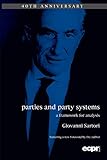 Listen on AudibleDeeper History
Political Parties
Giovanni Sartori
The classic framework for understanding how party systems form and compete.
Listen on Audible
As an Amazon Associate, PoliticaHub earns from qualifying purchases (including Audible) at no extra cost to you.
Connections
Ideology
Nationalism
Ideology that places the nation at the center of political loyalty and argues that political power should protect national identity, sovereignty, and self-determination. It can be civic or ethnic, emancipatory or exclusionary, depending on how the nation is defined.
Populism
Political style or ideology that pits a supposedly authentic people against a corrupt elite and demands that politics reflect the popular will more directly. It can attach itself to left-wing, right-wing, democratic, or authoritarian projects.
Party Feedback
Trust & Coverage
- Page Type
- Party
- Last Updated
- April 15, 2026
- Sources
- 2 linked
This page is generated from structured entity, relationship, and metadata records.
Coverage is still growing country by country, so some timelines and relationships may be incomplete.
También puedes explorar
Nationalism
Ideology that places the nation at the center of political loyalty and argues that political power should protect national identity, sovereignty, and self-determination. It can be civic or ethnic, emancipatory or exclusionary, depending on how the nation is defined.
Populism
Political style or ideology that pits a supposedly authentic people against a corrupt elite and demands that politics reflect the popular will more directly. It can attach itself to left-wing, right-wing, democratic, or authoritarian projects.
Russia
Federal semi-presidential republic spanning Eastern Europe and Northern Asia. The world's largest country by area and a major nuclear power. Power is heavily centralized in the presidency, with a managed multi-party system dominated by United Russia. Russia is a permanent member of the UN Security Council. The political system combines formal constitutional structures with strong executive dominance, limited opposition activity, and state influence over media and elections.