We use essential storage to run PoliticaHub. Under EU and Swedish rules, analytics and advertising stay off unless you actively allow them. Analytics includes Google Analytics plus Microsoft Clarity session recordings and heatmaps. Advertising consent is also required before any personalized Google ads can load. Privacy Policy.
The Sunday briefing, from North
One email a week. Elections worth watching, sharpest pages of the week, the thing most people misread about a country you'd recognise. No hot takes, no churn.
One email a week. Unsubscribe anytime — I don't take it personally.
Saudi Arabia vs Iran: Oil, Military & Regional Rivalry Compared (2026) | PoliticaHub
Saudi Arabia vs Iran: Oil, Military & Regional Rivalry Compared
Iran runs as a islamic republic (theocratic-presidential hybrid); Saudi Arabia as a islamic theocracy. Same word — country — built two different ways.
Saudi Arabia has more money and easier access to outside partners; Iran retains influence through missiles, proxies, and higher tolerance for attritional competition.
Saudi Arabia and Iran are compared because their rivalry cuts across regime type, religion, energy, security, and regional order. Saudi Arabia is an absolute monarchy with stronger access to external partners, financial resources, and conventional procurement. Iran is a theocratic republic whose power rests less on conventional prestige and more on missiles, proxies, ideological networks, and strategic endurance under sanctions. The real question is not who looks stronger on paper, but who can shape events across the region more effectively.
What to watch
Searchers usually want a fast answer on whether Saudi Arabia or Iran is stronger, why they are rivals, and how oil, proxies, and religion fit together. This page is designed to answer those questions directly without flattening the rivalry into a cartoon.
Rivalry Heat Map
Saudi Arabia vs Iran is one of the richest rivalry pages you can build because the conflict is simultaneously geopolitical, sectarian, regime-based, energy-linked, and media-saturated.
Drama
Middle East primacy contest
This rivalry is routinely treated as a struggle over who gets to shape the regional order. That framing can oversimplify things, but it captures the core point: both states see the other as a major obstacle to their preferred balance of power.
Saudi Arabia is an absolute monarchy grounded in dynastic rule and religious legitimacy. Iran is a theocratic republic in which elected offices exist, but ultimate authority rests with unelected clerical institutions. Even before foreign policy enters the story, the systems look fundamentally different.
5/5
Military Tension
Saudi conventional spending edge, Iran proxy-and-missile edge
The military balance is asymmetric. Saudi Arabia can spend heavily on high-end platforms and external procurement; Iran compensates with missiles, drones, networked partners, and a model designed to impose costs indirectly across several theaters.
4/5
Trade War
Energy competition, not classic tariff conflict
Their competition is not centered on tariffs or supply-chain sanctions against each other. The more relevant economic layer is oil pricing, sanctions regimes, shipping routes, and who can better convert energy position into geopolitical leverage.
2/5
AI Race
Low direct rivalry
This is not a meaningful bilateral AI race in the way U.S.-China is. Technology matters more through drones, internal surveillance, cyber capability, and modernization strategy than through a headline contest for frontier AI leadership.
1/5
Alliance Systems
Saudi external-security edge, Iran militia-network edge
Saudi Arabia has historically benefited from external security relationships, Gulf coordination, and Western defense ties. Iran offsets isolation through partner militias, ideological networks, and a regional footprint built around indirect influence rather than formal alliance architecture.
4/5
Media Narratives
Constant proxy-war framing
Media coverage often reduces the Middle East into a Saudi-Iran scoreboard. That framing can flatten local politics, but it keeps the pair extremely salient because almost every regional crisis gets interpreted through this lens.
5/5
Reality check. The internet often talks as if every regional conflict is simply “Saudi vs Iran.” In reality, local actors have their own agency and agendas. The rivalry is real, but it does not explain everything by itself.
Bottom line. Saudi Arabia has more money, easier access to external procurement, and stronger conventional-state positioning. Iran has greater tolerance for attrition, deeper experience with proxy leverage, and a political model built for contesting influence even under sanctions and isolation.
This section pulls the most useful structured facts onto one screen: flags, capital cities, system type, current leaders, election links, and how many parties and institutions the graph already connects to each country.
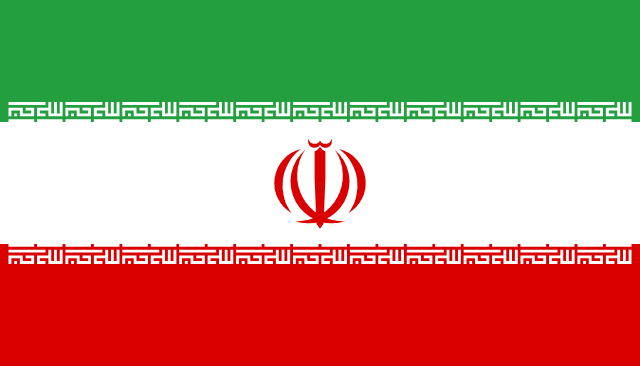
🇮🇷 Iran
Theocratic Islamic republic and a major regional power in the Middle East, governed by the principle of velayat-e faqih (guardianship of the Islamic jurist). Iran's political system has two overlapping power structures: elected bodies (the presidency, parliament) and unelected religious institutions (the Supreme Leader, Guardian Council, Assembly of Experts). Since the assassination of Supreme Leader Ali Khamenei in February 2026, Iran has entered a period of contested succession under Mojtaba Khamenei, while reformist President Masoud Pezeshkian continues to seek Western re-engagement.
Capital: RiyadhGovernment: islamic theocracyPopulation: 33.0 million
Current Leaders
No current leader timeline is attached yet.
Election Route
Upcoming
No upcoming election is attached yet.
Graph Coverage
8 linked parties
2 linked institutions
1 linked offices
0 tracked elections
🇮🇷 Iran
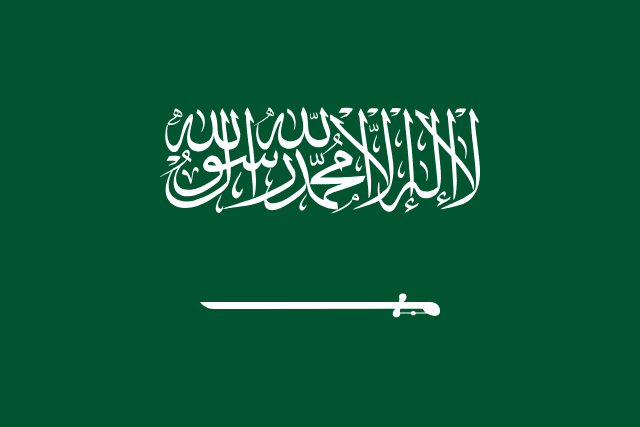
🇸🇦 Saudi Arabia
Description
Theocratic Islamic republic and a major regional power in the Middle East, governed by the principle of velayat-e faqih (guardianship of the Islamic jurist). Iran's political system has two overlapping power structures: elected bodies (the presidency, parliament) and unelected religious institutions (the Supreme Leader, Guardian Council, Assembly of Experts). Since the assassination of Supreme Leader Ali Khamenei in February 2026, Iran has entered a period of contested succession under Mojtaba Khamenei, while reformist President Masoud Pezeshkian continues to seek Western re-engagement.
country in West Asia
Country
IR
SA
Continent
Asia
Asia
Capital
Tehran
Riyadh
Government
Islamic Republic (theocratic-presidential hybrid)
islamic theocracy
Population
~87 million
How their governments are structured
Iran is a islamic republic (theocratic-presidential hybrid); Saudi Arabia is a islamic theocracy. The second split is how the executive is chosen. Iran runs a presidential system: the head of state and head of government are the same elected office, with a fixed term that the legislature cannot end through ordinary votes. Saudi Arabia's executive does not fit cleanly into the standard parliamentary, presidential, or one-party templates. The practical effect is that the presidential side has fixed terms and an executive that cannot be removed by the legislature short of impeachment, while the parliamentary side can replace the head of government mid-term through a confidence vote.
Scale, geography, and context
Iran's political capital is Tehran, while Saudi Arabia is governed from Riyadh. With a population of approximately ~87 million, Iran faces a different scale of governance challenge compared to Saudi Arabia's 33.0 million. Population size shapes everything: the complexity of electoral systems, the number of administrative layers required, the diversity of constituencies that must be represented, and the sheer logistical challenge of running a democracy.
The political landscape
Iran's field is wider: 132 tracked parties against 8 in Saudi Arabia. More parties usually means coalitions get harder and majorities get scarce. Iran has 2 tracked political offices, while Saudi Arabia has 1, indicating different levels of institutional complexity.
Institutional architecture
Iran has 4 major political institutions tracked in our database, while Saudi Arabia has 2. The institutional architecture of a country — its courts, legislatures, executive bodies, and regulatory agencies — determines how power is distributed, how conflicts are resolved, and how policy is implemented. More institutions often means more checks and balances, but also more veto points where reform can stall.
Where they actually split
Iran runs as a islamic republic (theocratic-presidential hybrid); Saudi Arabia runs as a islamic theocracy. That single difference rewrites how everything else plays out. Scale matters: Iran has ~~87 million people; Saudi Arabia has ~33.0 million. That changes the politics of every issue. The party landscape differs significantly: Iran has 132 tracked parties, while Saudi Arabia has 8, reflecting different levels of political pluralism.
Saudi Arabia has more financial firepower, easier access to advanced procurement, and a stronger conventional-state profile. Iran stays highly relevant because it can impose costs through missiles, proxies, and a strategic model built for endurance rather than comfort.
Why are Saudi Arabia and Iran rivals?
The rivalry is about regional primacy, sectarian identity, security architecture, and influence over conflicts across the Middle East. Religion matters, but it is only one layer of a broader geopolitical contest.
Do Saudi Arabia and Iran have the same type of government?
No. Saudi Arabia is an absolute monarchy. Iran is a clerical republic with elections for some offices, but unelected religious institutions sit above the rest of the political system.
Is this mainly an oil rivalry or a proxy rivalry?
It is both, but proxy competition explains more of the day-to-day geopolitical tension. Oil and shipping routes matter because they shape leverage, sanctions pressure, and the broader regional balance.
One email a week. Elections worth watching, sharpest pages of the week, the thing most people misread about a country you'd recognise. No hot takes, no churn.
One email a week. Unsubscribe anytime — I don't take it personally.
33.0 million
Current leaders
President of Iran: Masoud Pezeshkian (2024-07-30), President of Iran: Masoud Pezeshkian (2024-07-30)