PoliticaHub Reference Sheet
Taxation
Topic · Printed April 5, 2026 · politicahub.com/topic/taxation
How governments raise revenue through income, corporate, consumption, and wealth taxes. Tax policy reflects fundamental choices about redistribution, economic incentives, and the size of government.
Key Facts
| centrist position | Moderate taxation with targeted incentives; broaden the tax base while closing loopholes |
| global trend | OECD global minimum corporate tax of 15%; increasing focus on taxing digital services and wealth |
| key question | How should governments balance revenue needs with economic incentives? |
| left position | Higher taxes on wealth and corporations to fund public services and reduce inequality |
| right position | Lower taxes to stimulate growth, attract investment, and limit government size |
| topic category | economic |
| topic scope | domestic |
Source: politicahub.com/topic/taxation
Taxation
How governments raise revenue through income, corporate, consumption, and wealth taxes. Tax policy reflects fundamental choices about redistribution, economic incentives, and the size of government.
Connections At A Glance
Details
- centrist position
- Moderate taxation with targeted incentives; broaden the tax base while closing loopholes
- global trend
- OECD global minimum corporate tax of 15%; increasing focus on taxing digital services and wealth
- key question
- How should governments balance revenue needs with economic incentives?
- left position
- Higher taxes on wealth and corporations to fund public services and reduce inequality
- right position
- Lower taxes to stimulate growth, attract investment, and limit government size
- topic category
- economic
- topic scope
- domestic
How governments raise revenue through income, corporate, consumption, and wealth taxes. Tax policy reflects fundamental choices about redistribution, economic incentives, and the size of government.
OECD global minimum corporate tax of 15%; increasing focus on taxing digital services and wealth
Thesis angle
A strong essay on taxation should answer the core question directly: How should governments balance revenue needs with economic incentives?
Counterargument
A competing view is that taxation should be judged less by rhetoric and more by whether institutions can deliver stable outcomes in domestic politics.
Conclusion angle
Conclude by explaining why taxation remains contested across economic politics and why country context changes how the issue is resolved.
See how taxation shows up in France's political system.
See how taxation shows up in Germany's political system.
See how taxation shows up in Sweden's political system.
See how taxation shows up in United Kingdom's political system.
See how taxation shows up in United States's political system.
Key Question
How should governments balance revenue needs with economic incentives?
Political Spectrum
Left
Higher taxes on wealth and corporations to fund public services and reduce inequality
Center
Moderate taxation with targeted incentives; broaden the tax base while closing loopholes
Right
Lower taxes to stimulate growth, attract investment, and limit government size
Global Trend
OECD global minimum corporate tax of 15%; increasing focus on taxing digital services and wealth
Taxation by Country
Next To Explore
France
Semi-presidential republic in Western Europe. Founding EU member and permanent UN Security Council member.
Germany
Federal parliamentary republic in Central Europe. Largest economy in the EU with a multi-party coalition system.
Sweden
Constitutional monarchy in Northern Europe. Known for its welfare state model and multi-party parliamentary system.
United Kingdom
Constitutional monarchy and parliamentary democracy. Comprises England, Scotland, Wales, and Northern Ireland.
Recommended Reading
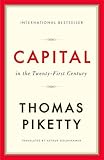
Capital in the Twenty-First Century
Thomas Piketty
The landmark study of wealth inequality and its political consequences.
The Globalization Paradox
Dani Rodrik
Why deep economic integration, national sovereignty, and democracy cannot coexist fully.
As an Amazon Associate, PoliticaHub earns from qualifying purchases at no extra cost to you.
Connections
Countries
France
Semi-presidential republic in Western Europe. Founding EU member and permanent UN Security Council member.
Germany
Federal parliamentary republic in Central Europe. Largest economy in the EU with a multi-party coalition system.
Sweden
Constitutional monarchy in Northern Europe. Known for its welfare state model and multi-party parliamentary system.
United Kingdom
Constitutional monarchy and parliamentary democracy. Comprises England, Scotland, Wales, and Northern Ireland.
United States
Federal presidential republic and the world's largest economy, with power divided among the presidency, Congress, the states, and the federal courts. U.S. politics is highly polarized, two-party dominated, and globally consequential because decisions made in Washington shape finance, trade, security alliances, technology regulation, and military power far beyond U.S. borders.
Parties
Conservative Party
British centre-right party (Tories). Oldest political party in the UK, associated with tradition and free markets.
Republican Party
One of the two major parties in the United States. Founded in the 1850s as an anti-slavery party, the modern GOP is a conservative coalition associated with lower taxes, deregulation, tighter immigration policy, conservative jurisprudence, and nationalist politics.
Trust & Coverage
- Page Type
- Topic
- Last Updated
- April 4, 2026
- Sources
- Graph-backed
- Data Coverage
- Comprehensive(80/100)
This page is generated from structured entity, relationship, and metadata records.
Coverage is still growing country by country, so some timelines and relationships may be incomplete.
You Might Also Explore
France
Semi-presidential republic in Western Europe. Founding EU member and permanent UN Security Council member.
Germany
Federal parliamentary republic in Central Europe. Largest economy in the EU with a multi-party coalition system.
Sweden
Constitutional monarchy in Northern Europe. Known for its welfare state model and multi-party parliamentary system.
United Kingdom
Constitutional monarchy and parliamentary democracy. Comprises England, Scotland, Wales, and Northern Ireland.
United States
Federal presidential republic and the world's largest economy, with power divided among the presidency, Congress, the states, and the federal courts. U.S. politics is highly polarized, two-party dominated, and globally consequential because decisions made in Washington shape finance, trade, security alliances, technology regulation, and military power far beyond U.S. borders.
Bernie Sanders
Independent U.S. senator from Vermont and prominent democratic socialist figure in American politics.