- What type of government does Syria have?
- Syria is a Transitional state (post-Assad, 2024–). This system defines how executive, legislative, and judicial power is organized and exercised in the country.
- What are the main political offices in Syria?
- Key political offices in Syria include President of Syria, Prime Minister of Syria. These offices shape how executive, legislative, and judicial authority is exercised in the country.
- What is the capital of Syria?
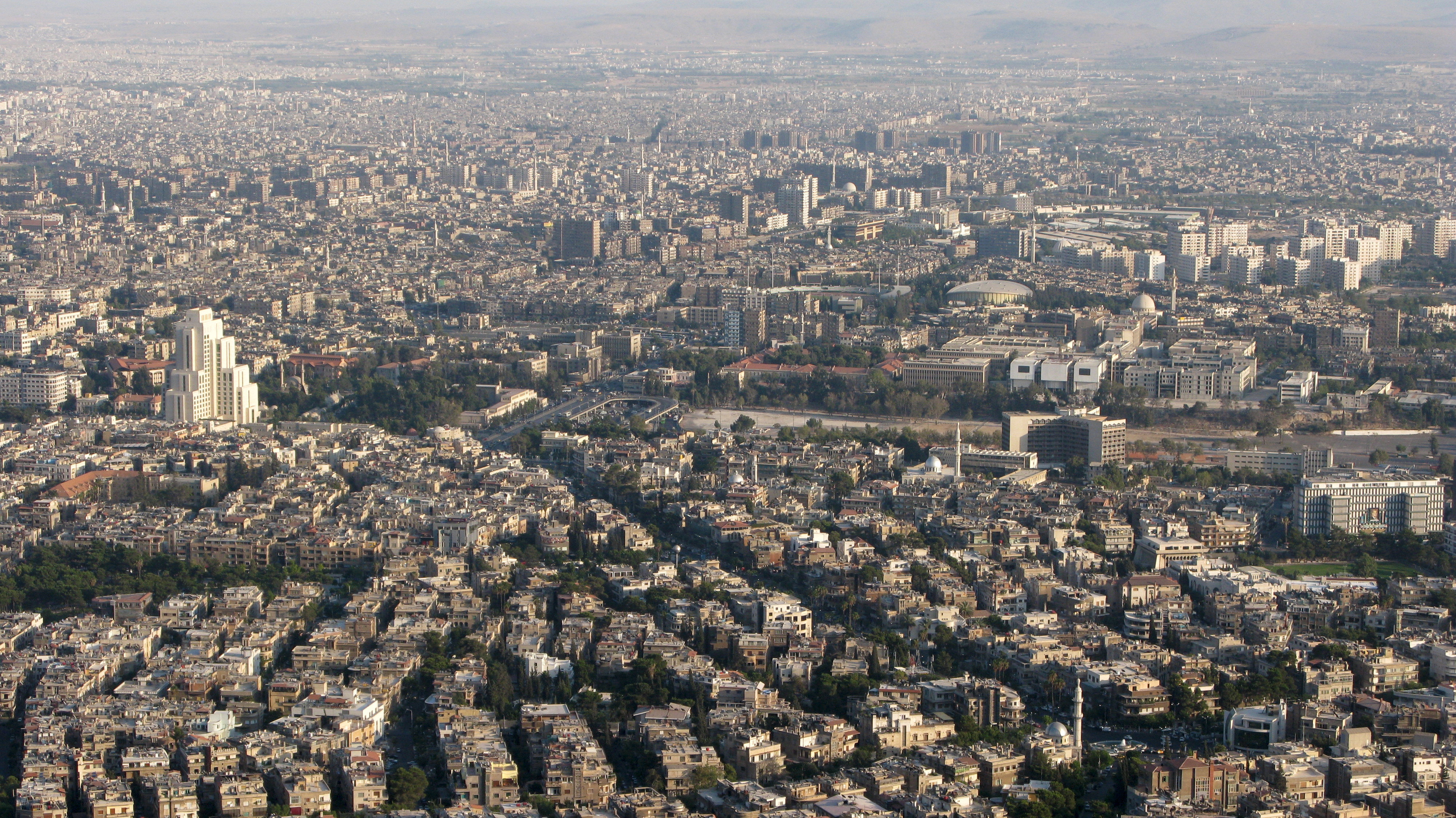
- The capital of Syria is Damascus. As the seat of government, the capital is where the country's major political institutions and decision-making bodies are headquartered.
- What are the major political parties in Syria?
- Syria has 48 notable political parties, including Arab Ba'ath, Arab Communist Party, Arab Liberation Movement, Arab National Party, Arab Socialist Ba'ath Party – Syria Region. Party competition is central to how political power is distributed — electoral outcomes and coalition dynamics directly determine who governs and what policies are implemented.
- What is the population of Syria?
- Syria has a population of approximately ~21 million (pre-war est.; millions displaced). Population size affects the country's representation in international bodies, electoral district sizing, and the scale of its political institutions.
- What is the political history of Syria?
- Country in the Levant undergoing a historic political transition after the December 2024 collapse of the Assad regime. Hayat Tahrir al-Sham controls the capital Damascus; the Kurdish-led Syrian Democratic Forces administer the northeast. Syria's political order remains unsettled — multiple armed factions, no working constitution, and a fragmented opposition are competing to define the post-Ba'athist state.